This is a brief History of the Datsun & Nissan Z-Car over the years, from inception through current model.
Please check the other ZCCA resources throughout the website. 🙂
1966
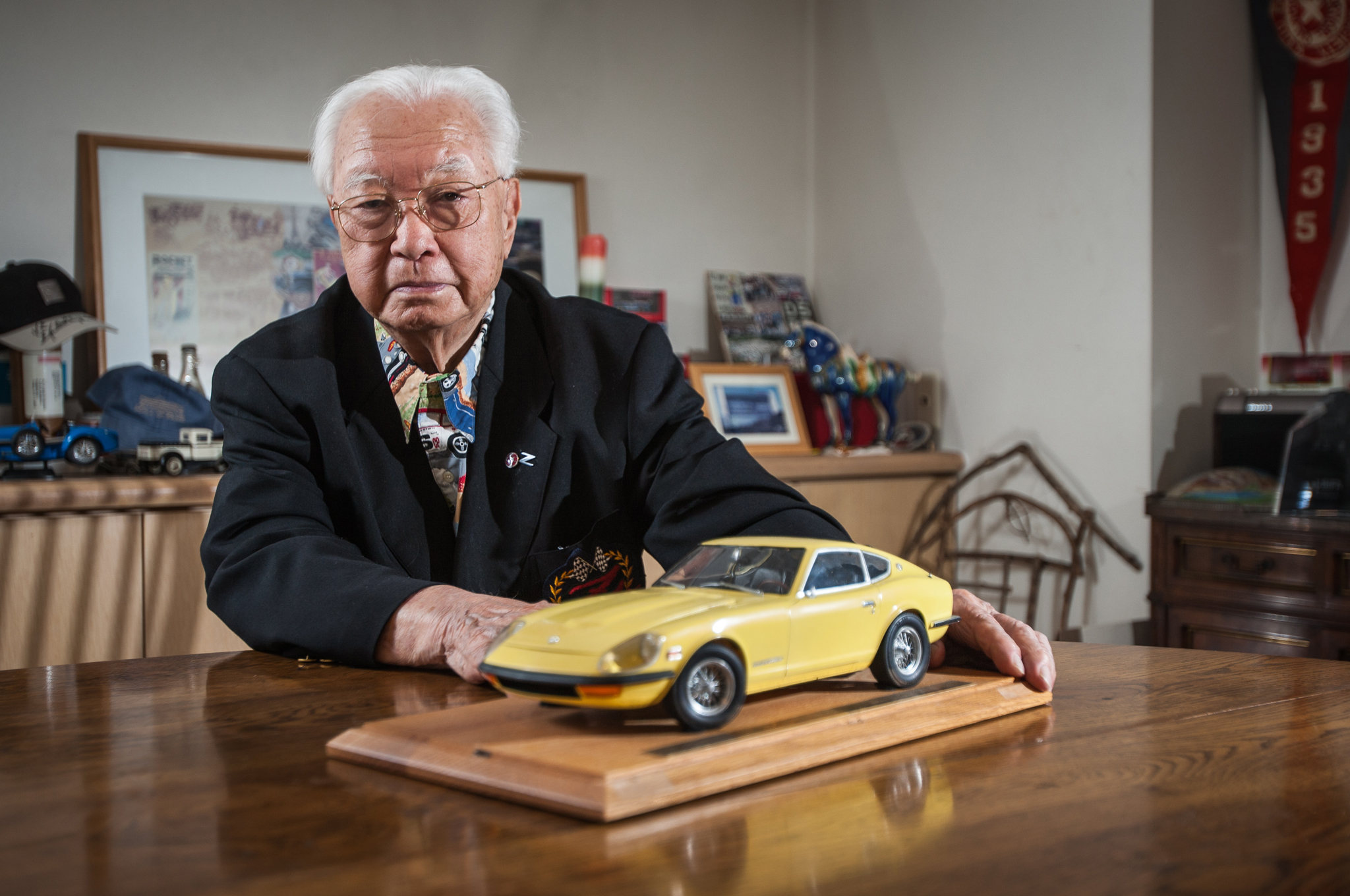
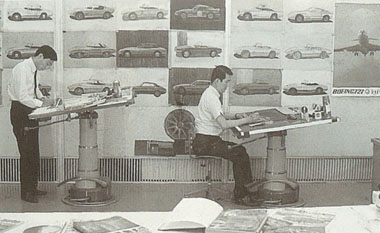
Nissan Motors identifies a market for a new kind of sports car. Its product planners envision an agile, compact GT, whose performance and comfort would outrun its price. Nissan engineers begin work on a prototype, which would become the 240Z.
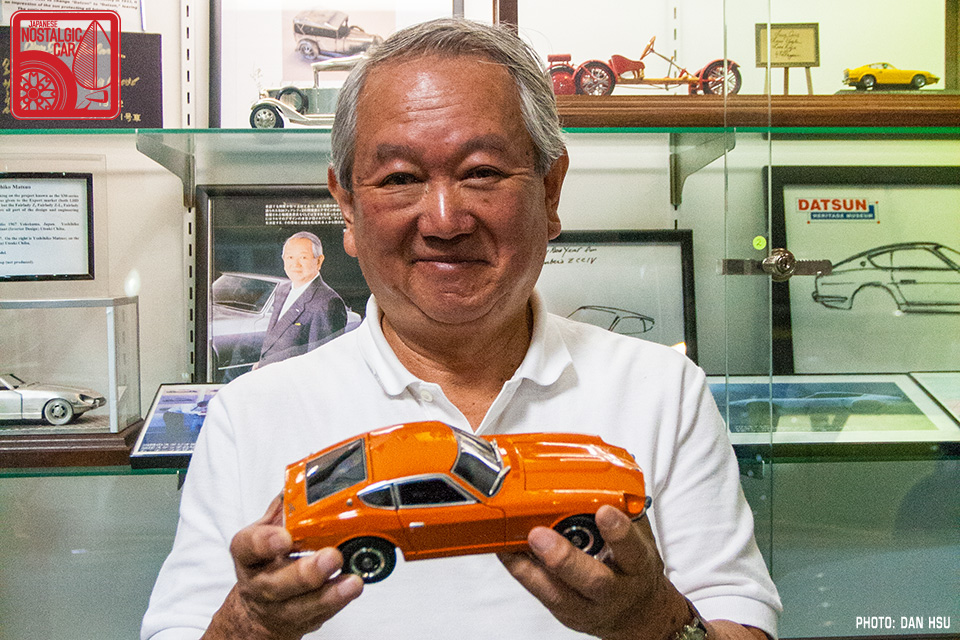
Yutaka Katayama shepherds the new car into being, helped by Datsun 240z design team-lead, Yoshihiko Matsuo.
1969
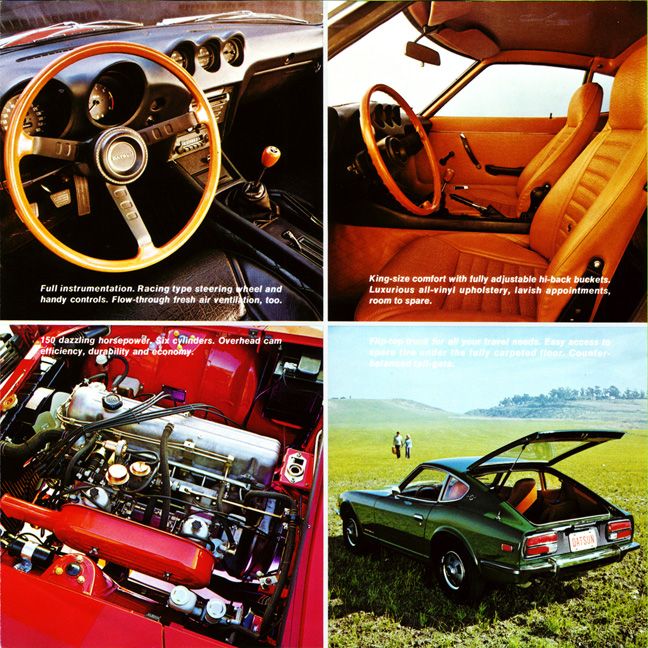
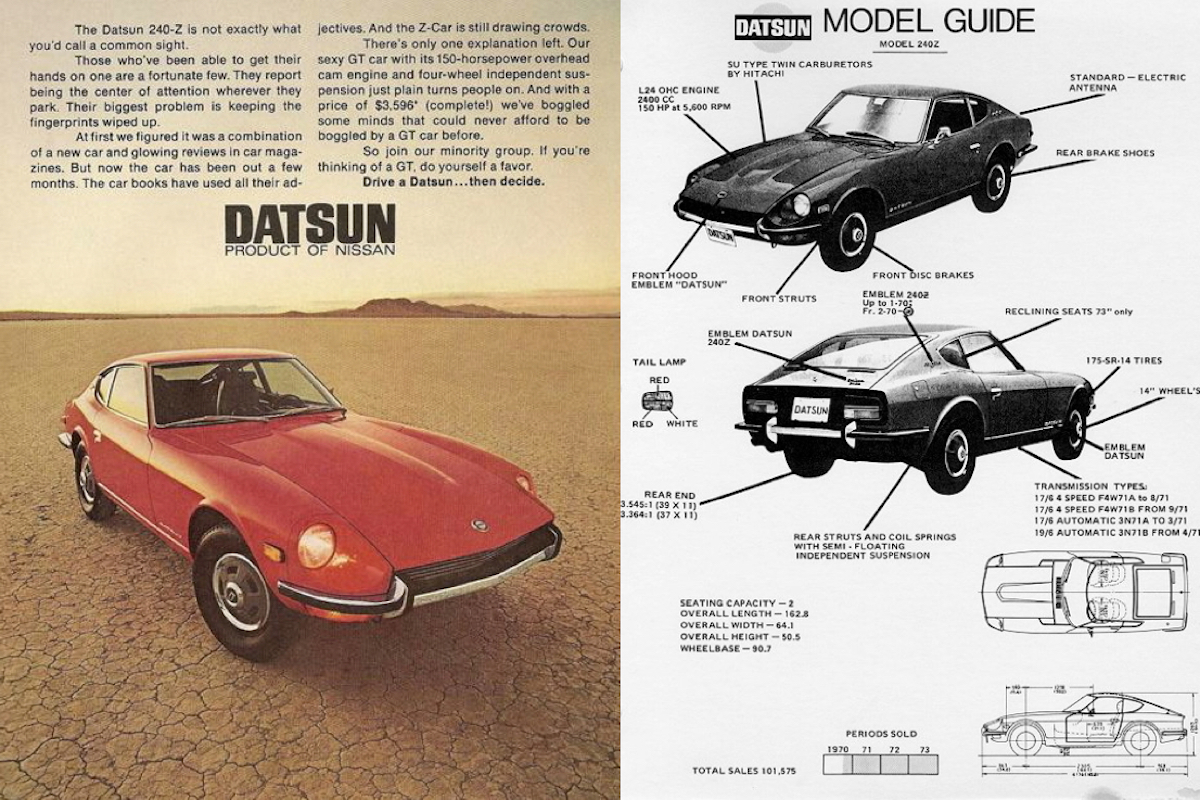
The 240Z goes on sale in the U.S. on October 22, 1969. It features a 2400cc , 2.4 liter in-line OHC six-cylinder with two side draft SU carburetors, the engine produced 150 horsepower engine, and delivers a 0-60 time of under nine seconds. The only transmission offered was a 4 speed manual. The brakes consisted of solid front discs and rear drums -- all for a price tag of only $3,526.
1970
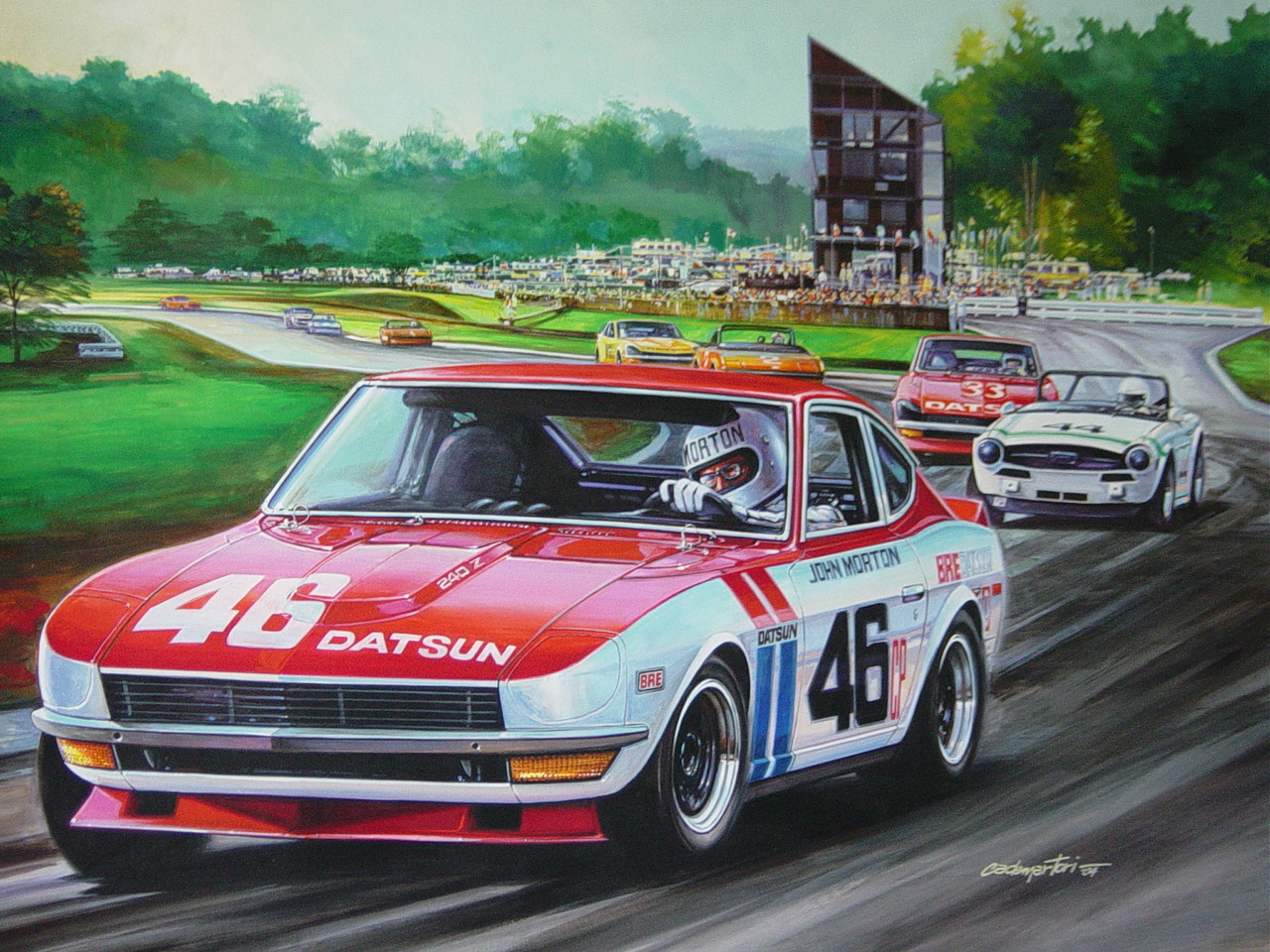
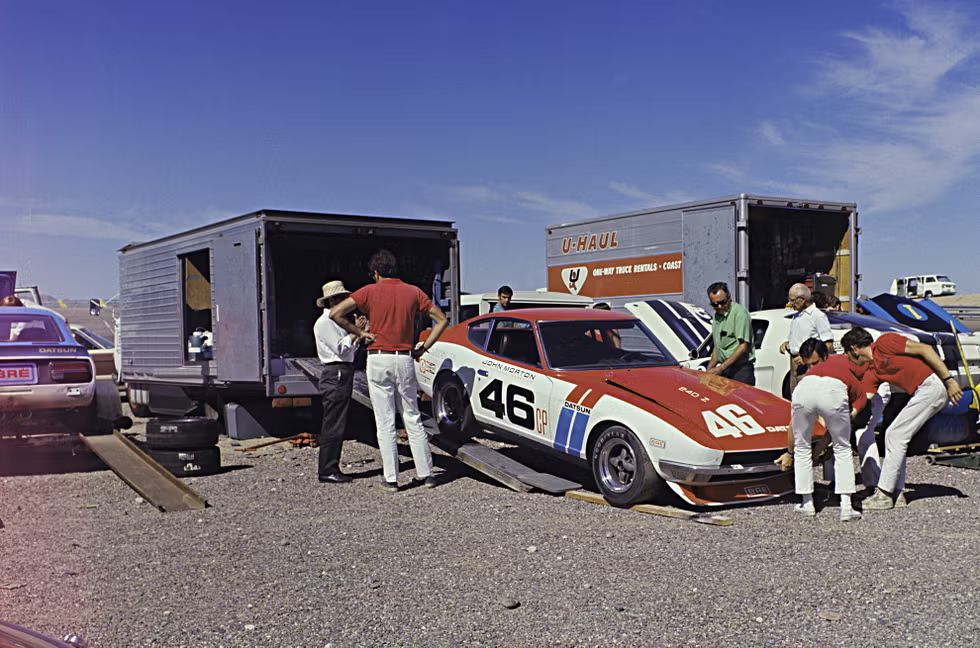
Less than a year after its debut, demand for the 240Z is so high that the Kelly Blue Book rates the value of a used Z at $4,000! Bob Sharp and Pete Brock take the Datsun 240Z to the racetrack in SCCA competition -- driver John Morton wins the C-Production national championship for Brock Racing Enterprises.
1971
Prompted by vibration problems on the racecars, the crankshaft was redesigned. The transmission and differential were improved. A Jatco 3 speed automatic became available. The rear quarter panel and hatch received new styling also.
John Morton wins his second straight C-Production national title.
1972
The combustion chambers shape was altered lowering the compression ration from 9.0 to 8.8:1, effectively lowering emissions and power. Automatic seat belt retractors were installed and the rear window defroster lines were now run horizontal.
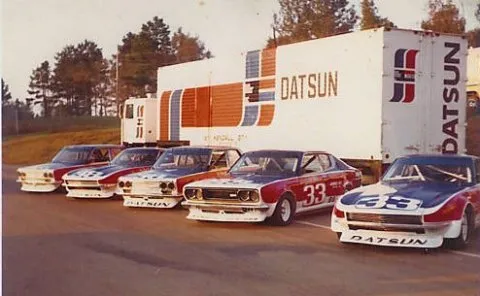
Bob Sharp drives a 240Z to the first of his two consecutive C-Production national championships.
1973
Carburetors, manifolds and cylinder head were changed to meet emission standards. Intermittent windshield wipers were added as standard equipment. Tinted glass, 3 point adjustable seat belts, collapsible steering column, fire retardant interior and racing seats were introduced.
At the close of the 240Z's fourth and final model year all-time sales reach 116,712 units.
1974
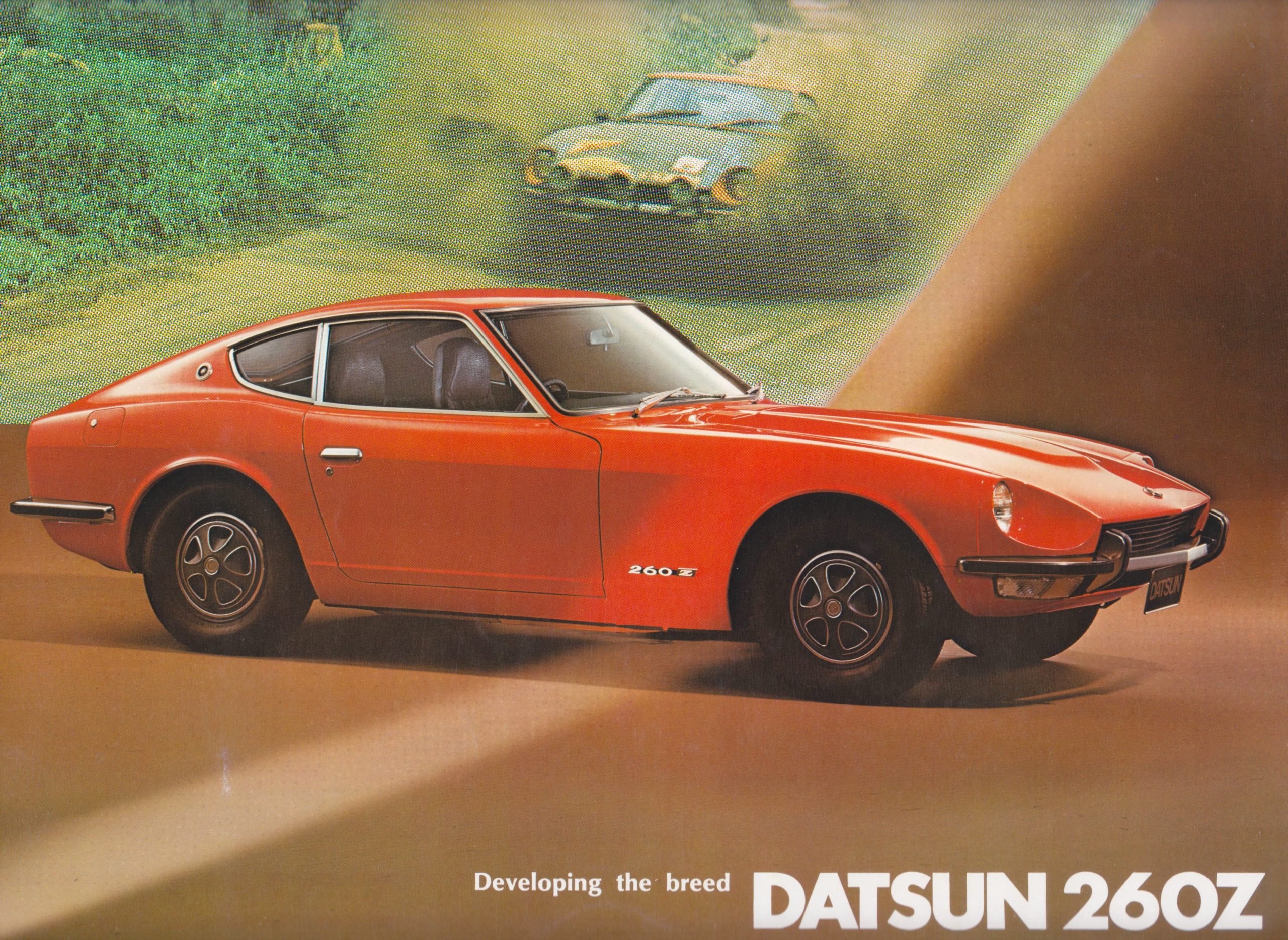
The engine displacement of the 1974 model is increased to 2.6 liters, and the car is renamed the 260Z. Due to stricter emissions requirements, horsepower is down to 139. 1974 also brings the introduction of the "2+2" body style, which accommodates fold-down rear seats.
In its only year of existence, the 260Z sets a single-year Z-car sales record at the time, with 63,963 units sold. Walt Moss extends Datsun's Z-car dominance by claiming the C-Production national championship.
1975
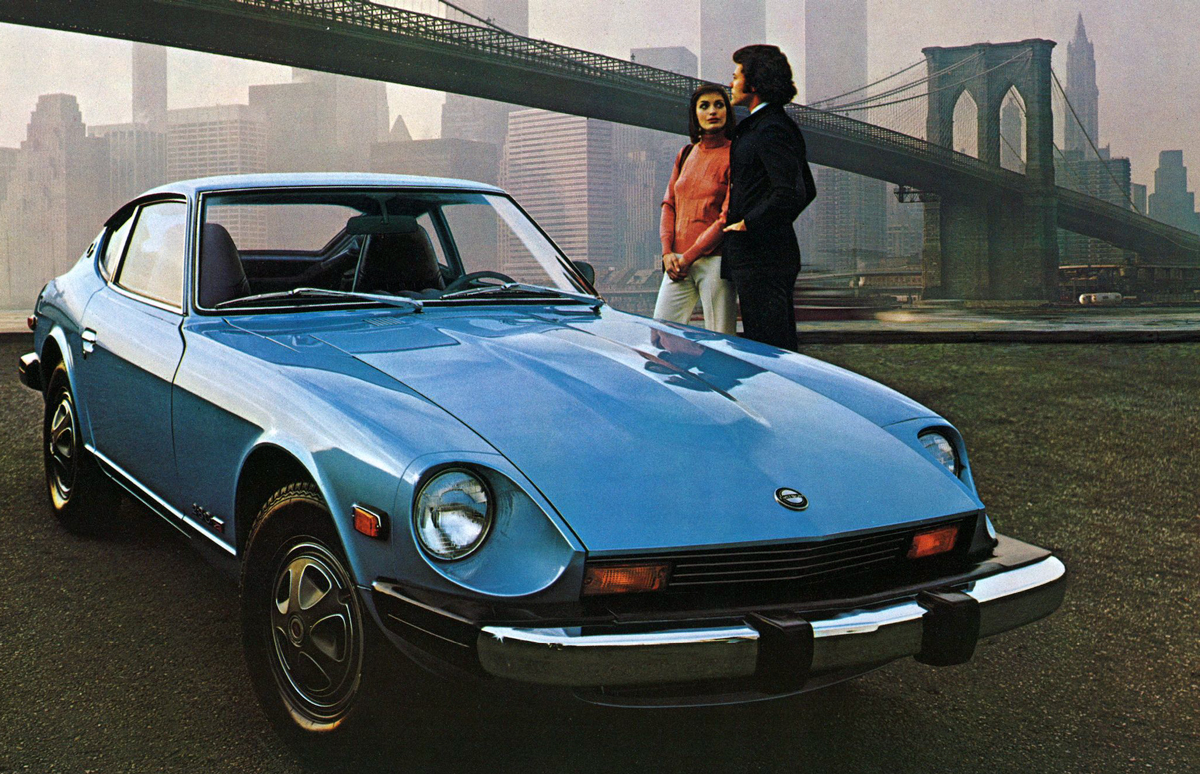
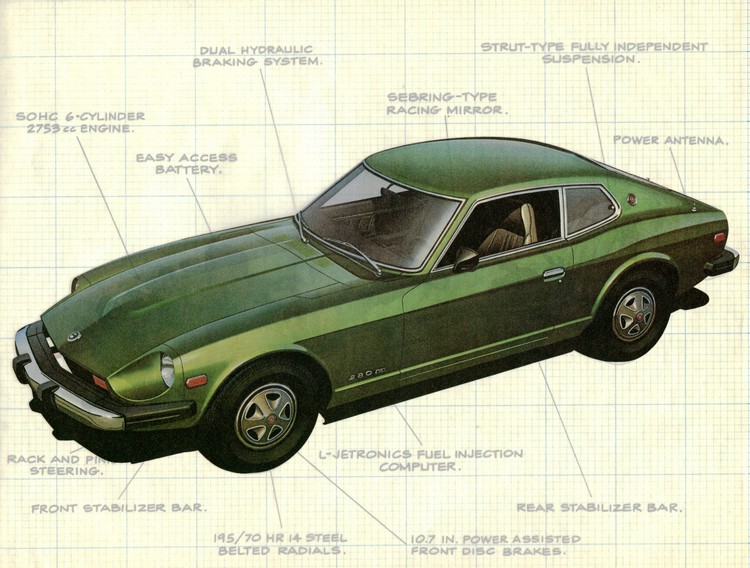
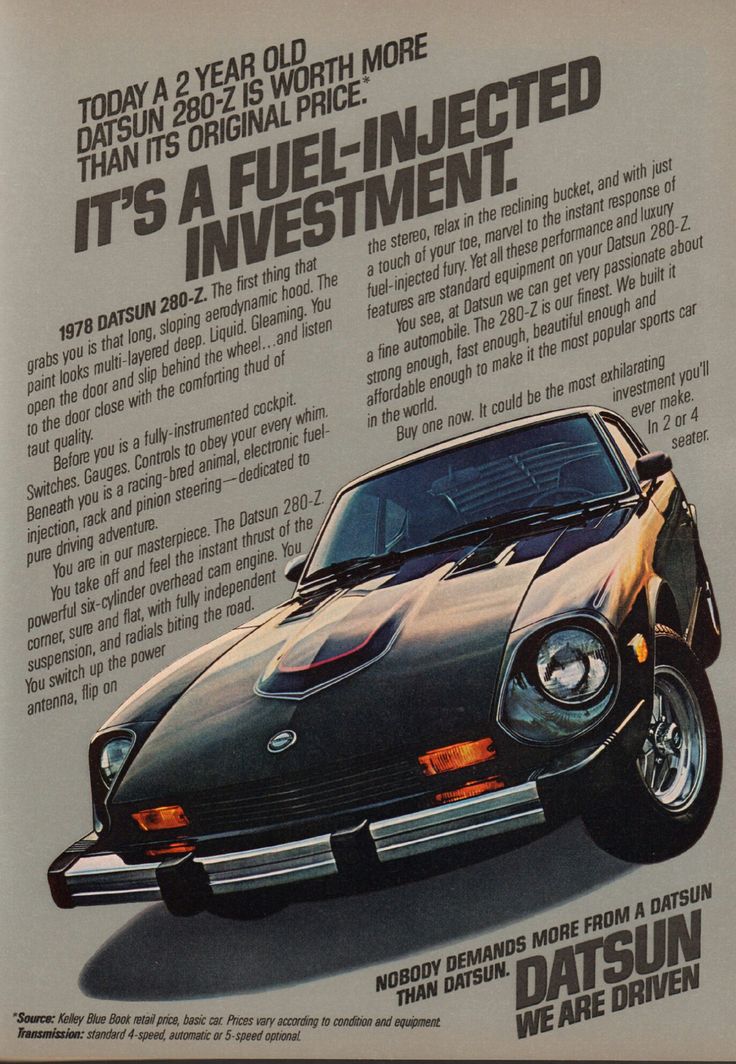
Needing increasingly complex technology to meet even tougher emissions regulations, Nissan boosts the Z-car's displacement to 2.8 liters and adds a version of Bosch's L-Jetronic fuel injection, creating the 1975 280Z. Horsepower rating is increased to 149. Front and rear bumpers are enlarged to meet Federal 5 mph standards. 280Z model was only sold in the U.S.A.
Sharp moves up to the IMSA GTU racing circuit, winning eight races and capturing the championship. He also wins his third SCCA C-Production title.
1977
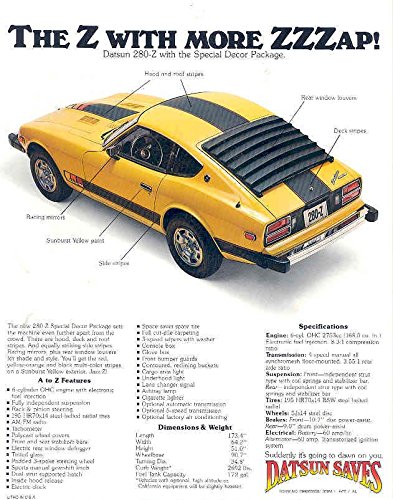
A five-speed manual overdrive transmission is added to the 280Z and horsepower climbs to 170. 1977 is also the Z's highest sales year to date (at the time), with 67,331 units sold.
1978
Black Pearl edition introduced on coupe models featured a black pearl metallic finish with optional "appearance package" (silver & red graphics/striping).
Additionally, note the special alloy wheels for this special-edition.
1979
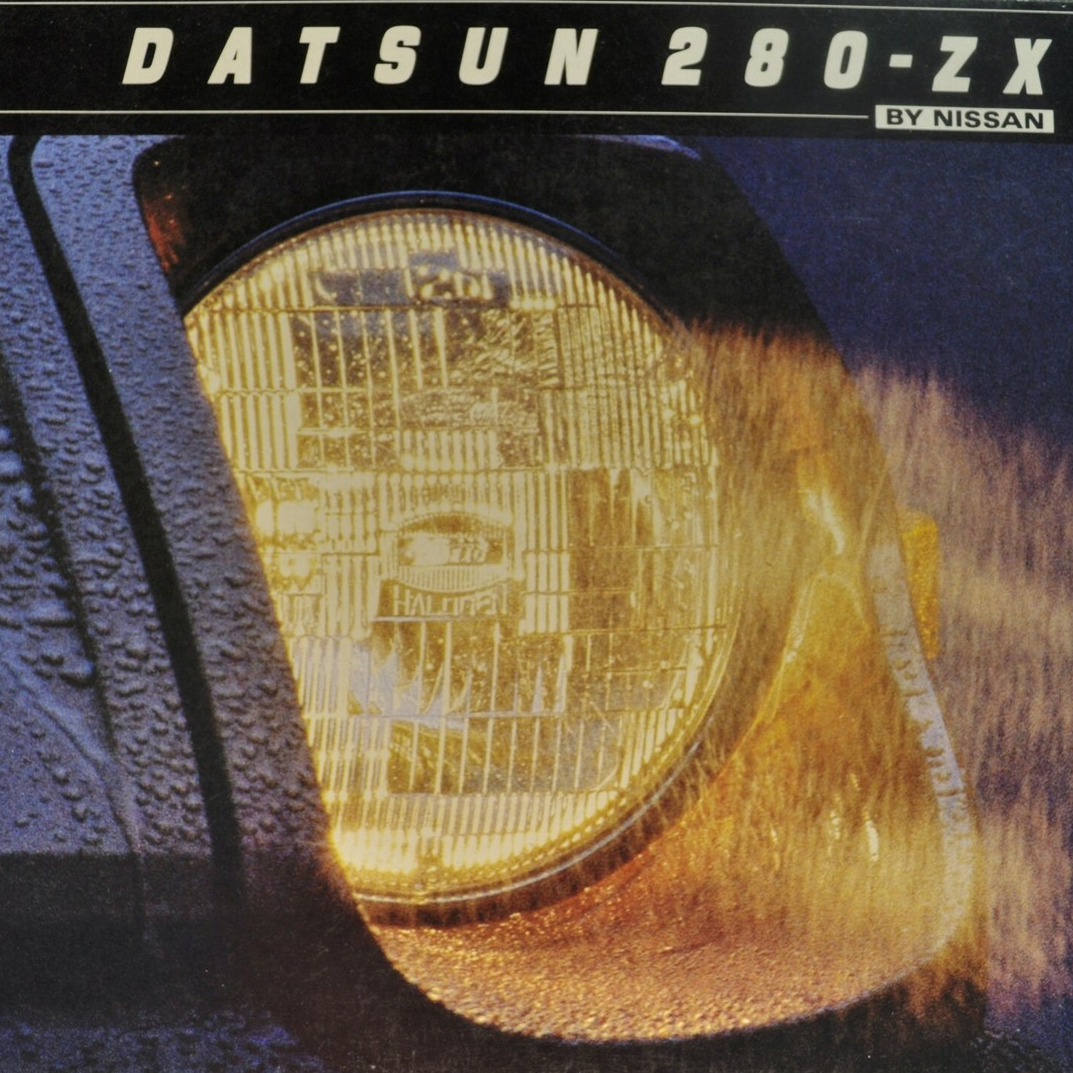
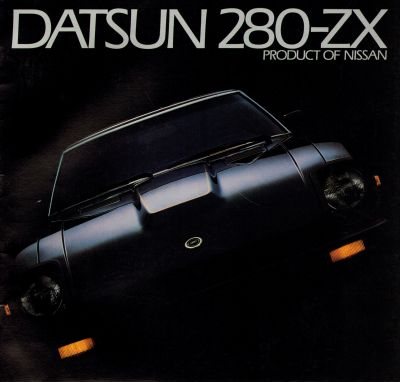
An all-new, second-generation Z-car is developed, debuting as the 280ZX. Only the engine, transmission and differential are carried over. The 280ZX offers a higher level of luxury to meet the growing demands of the sports car customer. Named Motor Trend's "Import Car of the Year" for 1979, the 280ZX sets the all-time sales record for the Z line with 86,007 units sold.
The Z-car captures its 10th consecutive SCCA C-Production national championship. Don Devendorf wins another IMSA GTU title for Datsun.
1980
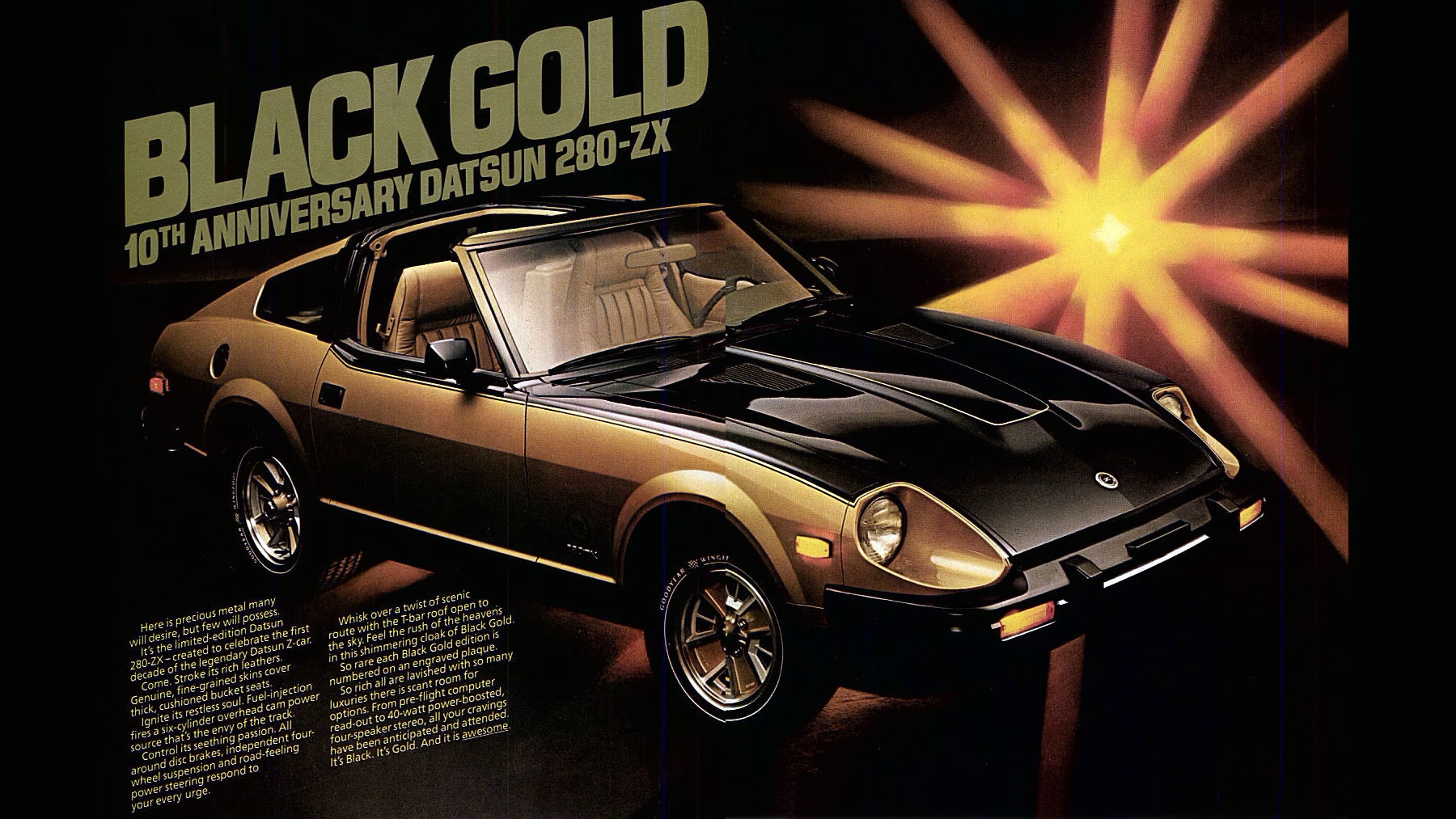
A new T-bar roof option is introduced on the GL model. Leather upholstery was optional. 3,000 10th Anniversary edition models were built featuring two-toned paint, gold emblems, gold tone alloy wheels, headlamp washers and automatic climate control. Cumulative American Z-car sales reach 500,000 units.
1981
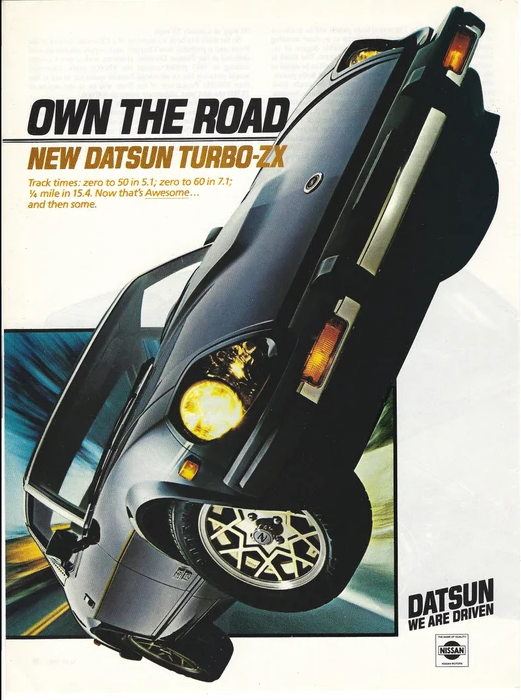
A turbocharged engine is offered for the first time on the 1981 280ZX producing 180hp with a 3 speed automatic transmission in coupe models only.
Engine changed and a three-way catalytic converter raised horsepower to 145 on the non-turbo models. Sales remained brisk through the 1983 model year.
Wheels shown in picture are affectionately known as "snowflakes" in the Z community.
1982
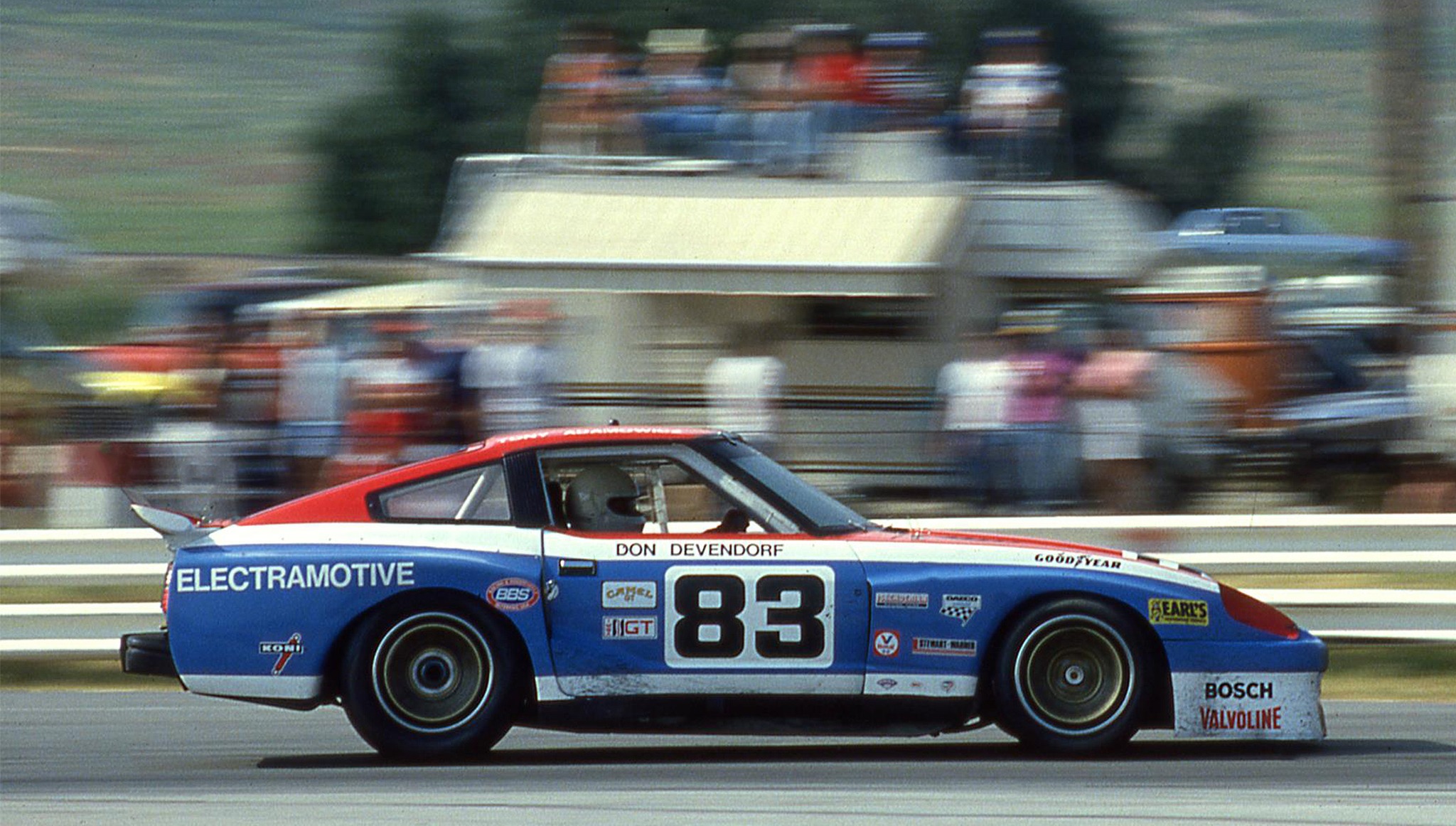
Turbocharged engine became available in the 2+2 models. Power rack and pinion steering became standard. All hoods received the NACA scoop. Voice warning system added. Devendorf, and his Electromotive racing team, win Datsun's first ever IMSA GTO championship.
1983
Suspension was identical on normally aspirated and turbocharged cars. A leather and digital option was offered that included leather trim, digital dash, automatic climate control, mirrors defogging, automatic rear defogger and bronze tinted glass.
1984
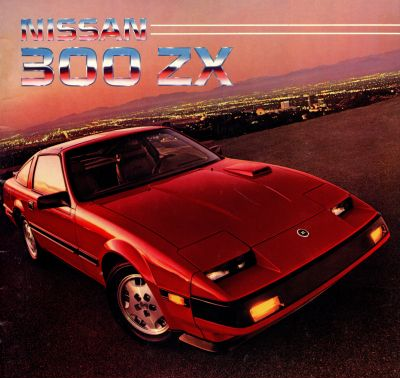
The third-generation Z, the all-new 300ZX, makes its debut. The 300ZX offers sleek new styling and a powerful new 3.0-liter V6 engine, elevating the sports car's performance image to even greater heights.
The normally aspirated 300ZX produces 160 horsepower, while the turbocharged version offers 200 horsepower. The 1984 model becomes the second-best selling Z ever, with 73,652 units sold. Turbo models have a small drivers-side hood scoop.
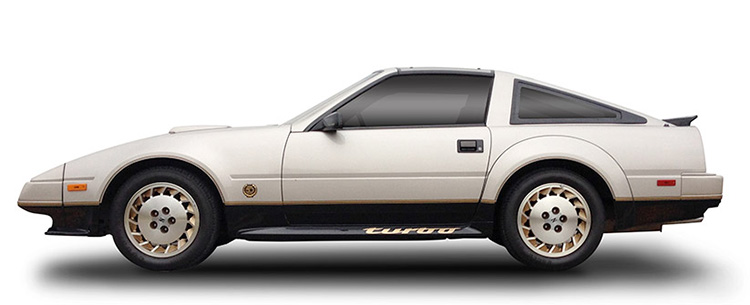
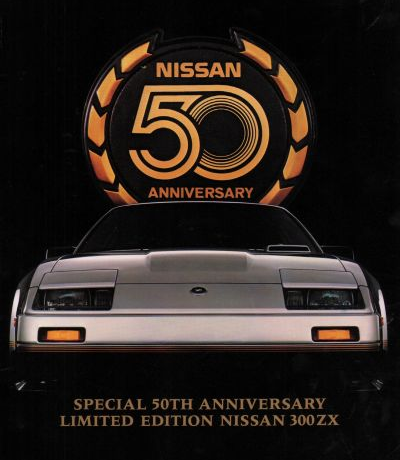
For 1984, Nissan produced the "Nissan 300zx Turbo Anniversary Edition" celebrating 50 Years of Nissan (founding date was 12/1933). Only 5,148 were produced for the U.S. and 300 were built for Canadian market. The edition featured special badging, fender flares, digital cluster, "Bodysonic" amplifier that added "feel" to the seats and silver/black theme throughout.
Horsepower for the Turbo vehicles was 200hp and had 227 ft-lb of torque.
1985
T-Tops become standard. Two-tone paint is an option on turbo models. Leather trim option is offered without the electronic package. Paul Newman, splitting time between the SCCA's professional Trans-Am series and the amateur ranks, sets 10 track records in his 280ZX Turbo and leads the national championship race wire-to-wire to win his third title.
1986
The hood scoop was removed from the turbo models. T-Tops become an option. Body colored side molding is introduced. Rocker panel extensions and chin spoiler become standard. High mounted third brake light introduced.
Newman wins his second straight SCCA GT-1 national crown.
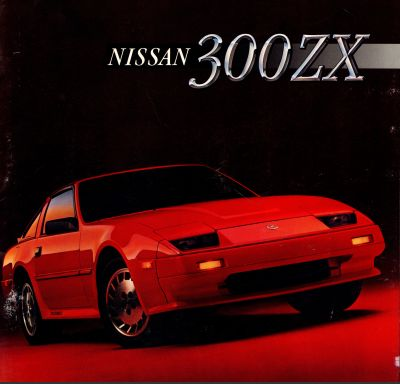
1987
Significant body changes produced better aerodynamics.
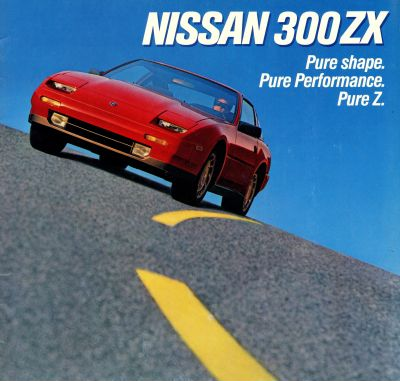
1988
Scott Sharp, son of the legendary Datsun racer Bob, wins his second straight SCCA GT-1 national championship, and his third title overall.
Late '80s - Toward the end of the 1980s, the overall sports car market faces a downturn due to a significant increase in consumer demand for multi-purpose vehicles such as minivans and sport utilities. Back-to-basics is the name of the game when it comes to sports cars, and for Nissan, it means a return to more of a performance orientation during the development of the next generation Z-car.
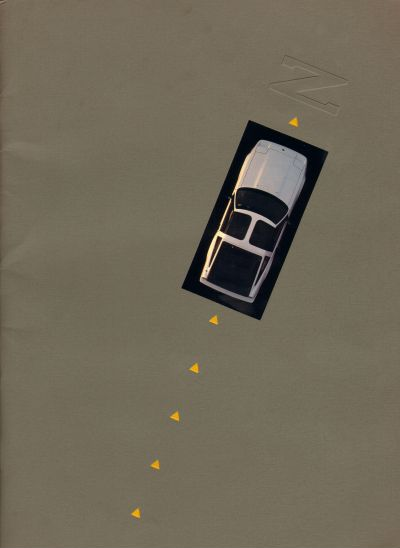
1990
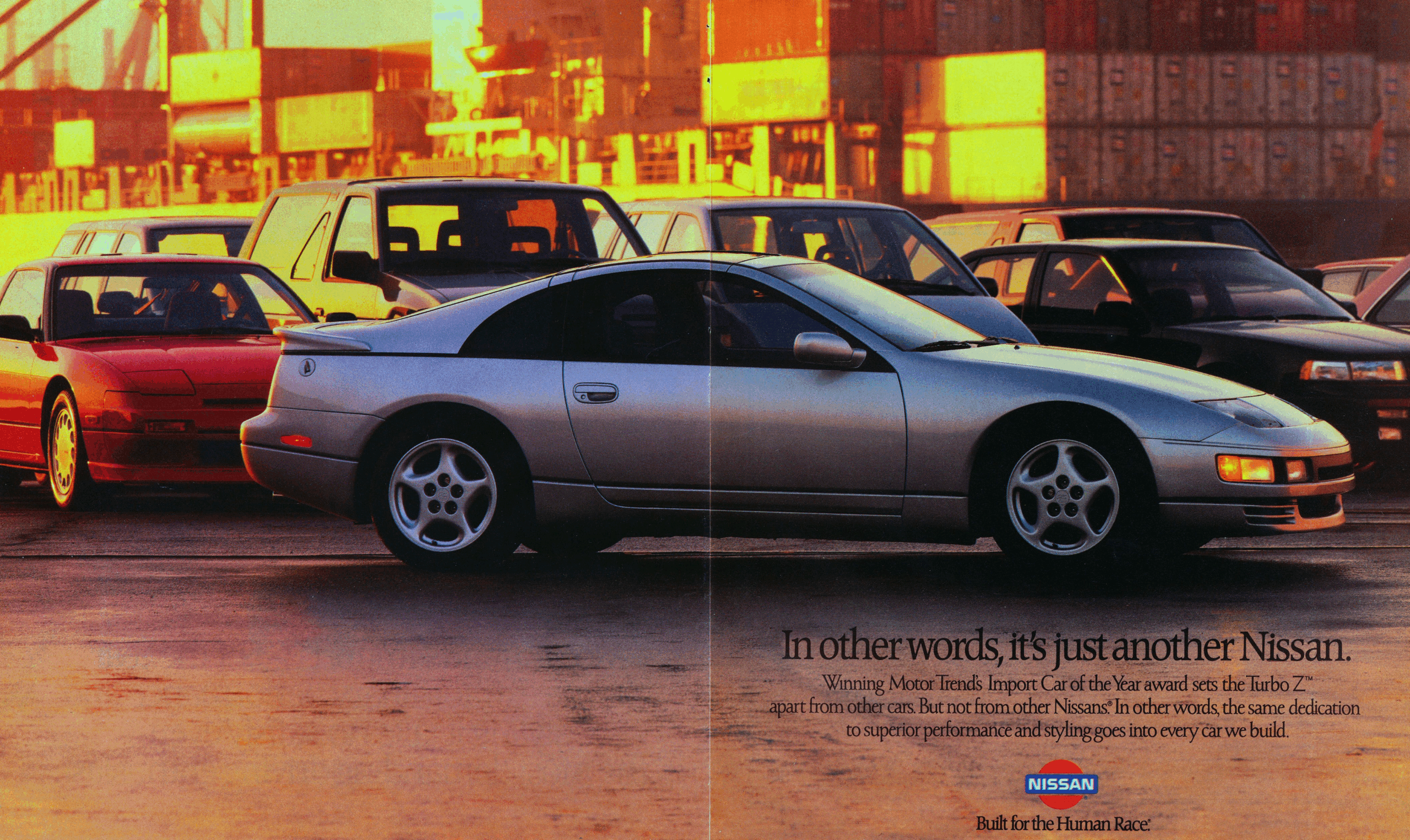
In response, the fourth-generation Z -- the dramatic 1990 300ZX -- takes on tighter proportions and a much more aggressive stance. The all-new DOHC 3.0 liter engine offers increased output of 222 horsepower for the normally aspirated model, and an incredible 300 horsepower for the 300ZX Turbo.
The 1990 300ZX Turbo is named Motor Trend's "Import Car of the Year". Motor Trend also names it, "One of the Top Ten Performance Cars". Automobile Magazine honors the 300ZX/300ZX Turbo as its "Design of the Year", and names the 300ZX Turbo to its "All Stars" list. Road & Track names the 300ZX Turbo "One of the Ten Best Cars in the World". Car and Driver names the 300ZX Turbo "One of the Ten Best Cars".
American Z-car sales reach the one million sales mark in the 1990 model year, making it the all-time best selling sports car.
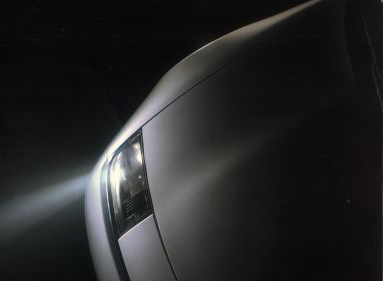
1991
1991 - The 300ZX Turbo is named to Car and Driver's "Ten Best" list, and is once again one of Automobile Magazine's "All-Stars".
Changes to the platform include larger 30mm caliper from brakes and driver-side airbag steering wheel.
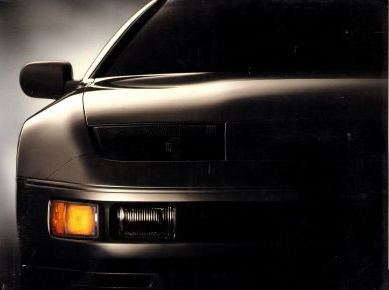
1992
For the third straight year Car and Driver names the 300ZX Turbo one of its "Ten Best", and Automobile Magazine names it to its "All-Stars" list.
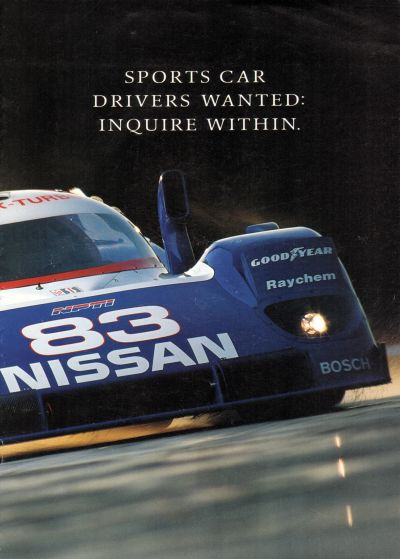
1993
First year a convertible Z is offered, available in non-turbo models only, adding 210 pounds to the car but also adding an open-air experience option for those who prefer drop-tops.
For the fourth straight year, the 300ZX Turbo is named a Car and Driver "Ten Best", and one of Automobile Magazine's "All-Stars".
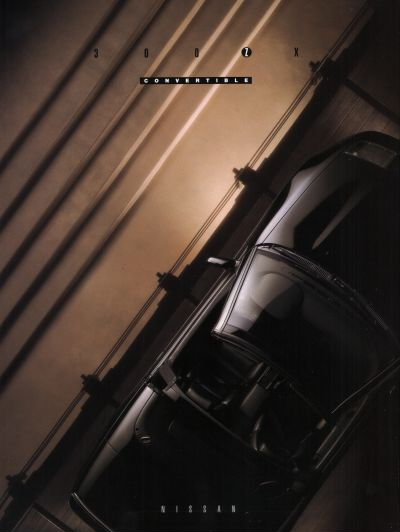
1994
Keyless remote entry system became standard. Rear spoiler on turbo models was raised from the rear deck lid.
A race-modified Z wins both the 24 Hours of Daytona and the 12 Hours at Sebring. It goes on to win the GTS Class at the 24 Hours of Le Mans, making it the only car ever to accomplish such a record within the same year. And for the fifth straight year, the 300ZX Turbo is named to the "Ten Best" and "All Stars" lists by Car and Driver and Automobile Magazine, respectively.
1994 300zx models also receive passenger-side airbags as a safety addition.
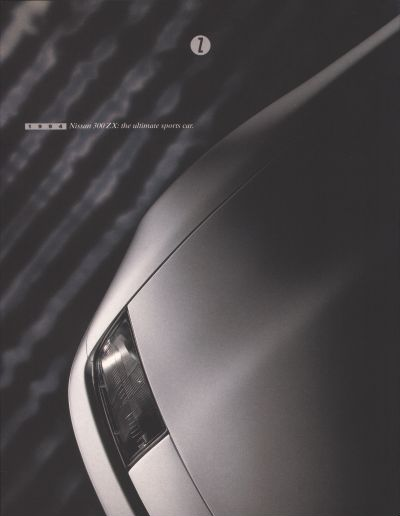
1995
Marks the 25th Anniversary of the Z. It also brings another award from Car and Driver, as the publication names the 300ZX Turbo to its "Ten Best" list for the sixth straight year. Nissan, working with Steve Millen Sports Cars, produces a limited edition 25th Anniversary 300ZX Twin Turbo, the SMZ featuring a 365hp engine, larger wheels, bigger brakes, upgraded suspension and a large rear wing. According to Nissan, in recent years, the 300ZX/300ZX Twin Turbo has outsold the Mazda RX-7, Toyota Supra, and Acura NSX combined.
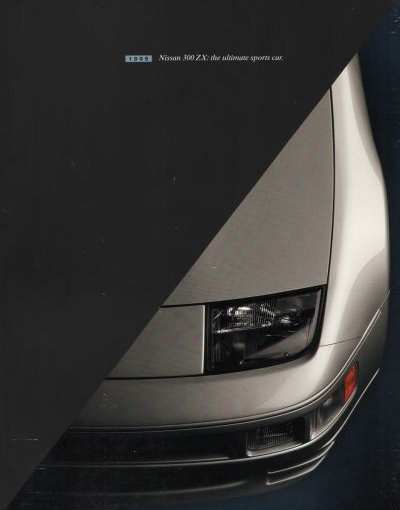
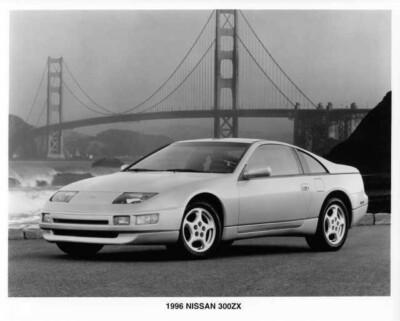
1996
Regrettably, 1996 signifies the final production year of the Z-Car. Nissan will sell the 300ZX in 1996, despite 1994 sales of just over 6,000 units, and 1995 sales reported to be even fewer. In 1998, especially with the opening of the Nissan "Z-Stores", rumors abound about a "next generation" Z-Car.
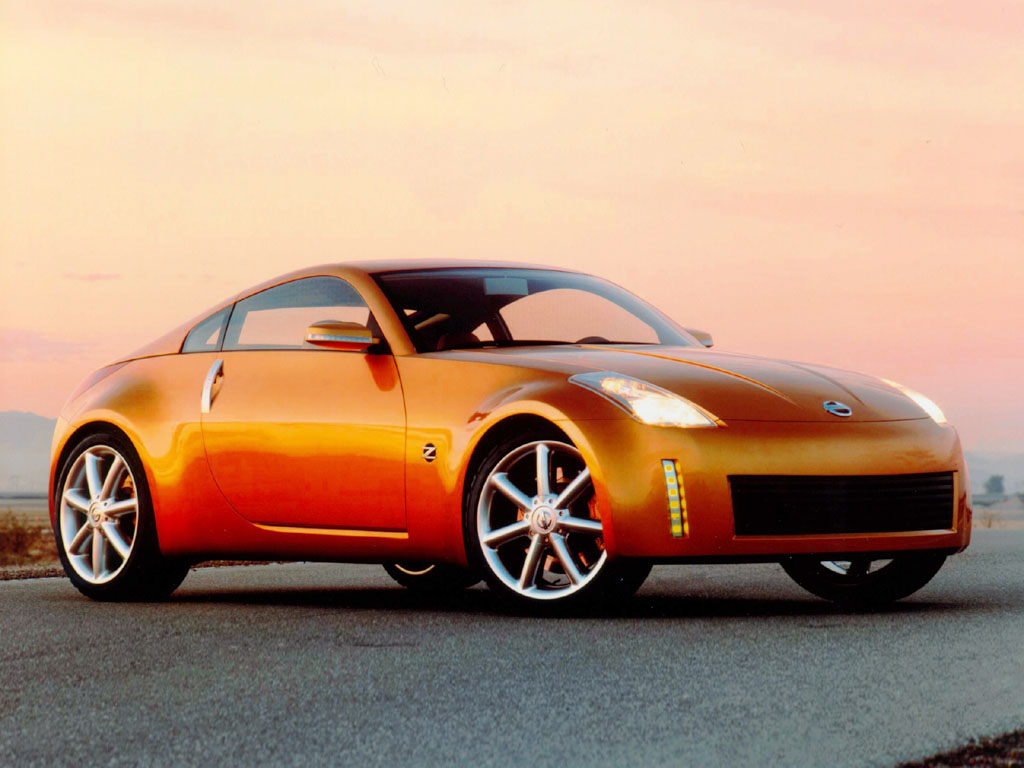
2001
January 8, 2001 marks the much-anticipated official announcement of the newest generation Nissan Z Concept! Thankfully, the Z-Car heritage and tradition live on.
2002
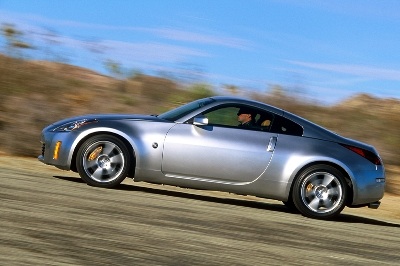
The legend returns with 5 models to choose from (Base, Enthusiast, Performance, Touring, and Track) all featuring the V-6, 3.5 liter DOHC 24 valve engine with 287hp and 274 ft/lbs of torque.
A six-speed manual or five-speed automatic with manual mode (Ent. And Touring only) is offered. Track model includes Brembo brakes.

2003
The new 350Z is named one of Car and Driver's "Ten Best" for 2003!
Some of the launch commercials can be viewed here on the ZCCA & other YouTube channels:
2004
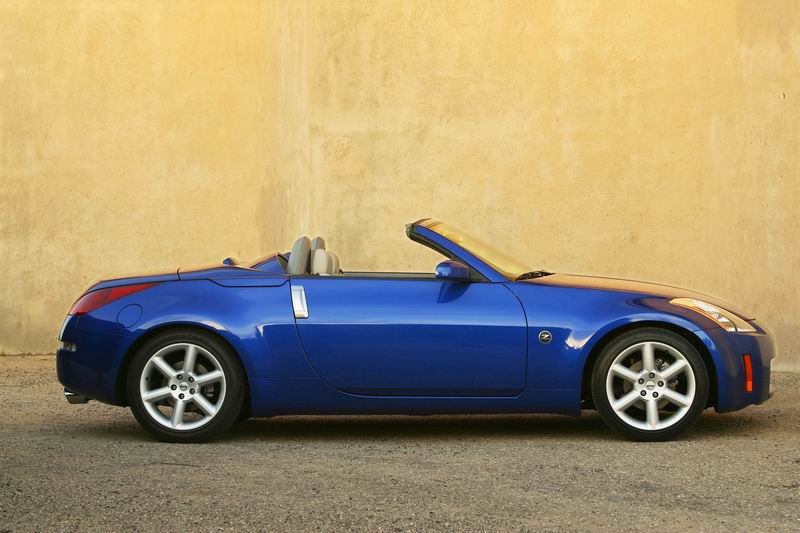
Nissan introduces the 350Z Roadster convertible with a fully-automatic cloth top, with a glass rear window. the Z Roadster was designed to limit interior wind-buffeting noise.
The FM (Front Mid-Ship) Platform used on the 350z Coup was used and structural reinforcements were added.
Z Roadster joined the line-up in two trims - Enthusiast and Touring models. Touring model additions included Bose audio system with a 6-disc CD changer and 7-speakers, heated leather seats and heated mirrors.
2005
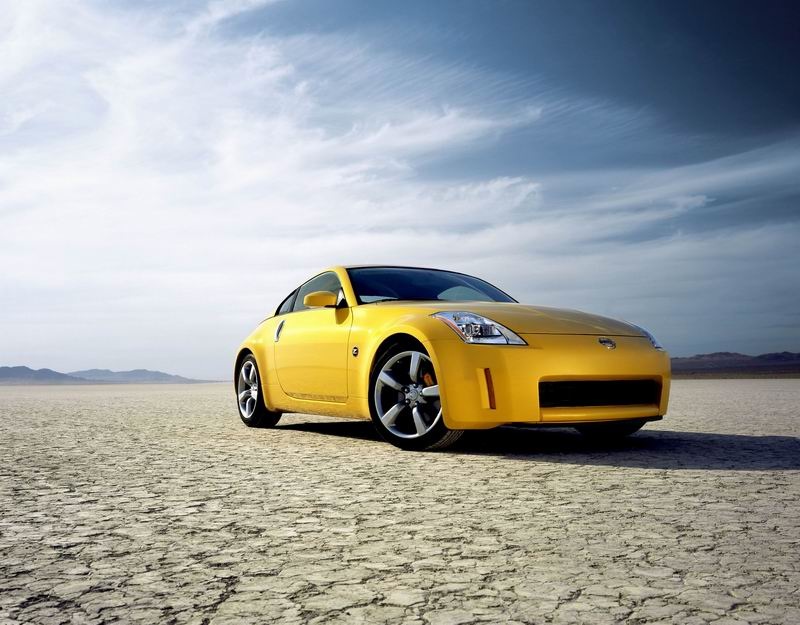
New for 2005, a special "Nissan 350Z 35th Anniversary Edition".
The special edition was offered in Ultra Yellow, Silverstone or Super Black. The edition was tuned slightly to bump up to 300hp and were offered in a 6-speed configuration. It's believed that 678 were produced; 231 Ultra Yellow, 259 Super Black and 188 Silverstone (by color breakdown)
The special edition also received five-spoke 18" wheels, special badging, Brembo brakes and a Bose sound system.
2006
The changes to the Z®, which has sold over 100,000 units in its first three years, included updated front-end, interior enhancements, LED tail lights, speed-sensitive power steering, and RAYS super lightweight staggered forged wheels for the Coupe models.
The VQ35DE 350z engine also gets some internal updates - referred for 2006 as the "rev-up" engine as the platform shifts toward the 2007 "HR" engine. Additionally, this year 350z is the first to get DRM (Downshift Rev-Match) which blips the throttle on downshift to put the RPM at the correct level for smooth shifting.
Three new exterior colors are available for 2006: Silver Alloy, Magnetic Black, and Interlagos Fire.

2007
The changes to the Z® which went on sale in January of 2007 include three new exterior colors – Carbon Silver, San Marino Blue and Solar Orange. A Bluetooth® Hands-Free Phone System was added to the Touring and Grand Touring Coupe models, and a gray Roadster soft top replaces the previous blue top (in addition to the available black soft top).
The biggest addition for 2007 was the new 350z NISMO edition. The edition featured a six-speed transmission, Autech-designed Super GT championship-styled body kit and NISMO-tuned suspension. Special NISMO-only RAYS wheels, a NISMO exhaust, Brembo brakes and additional body welds heralded the new Z as the "best handling" Z ever produced.
Additionally, for 2007, the VQ platform engine was released in it's latest iteration, a VQ35HR, with standard power of 306hp and 268 lb-ft of torque. This engine was the 4th generation of VQ Nissan produced at the time and 80% of the components were redesigned.

2009
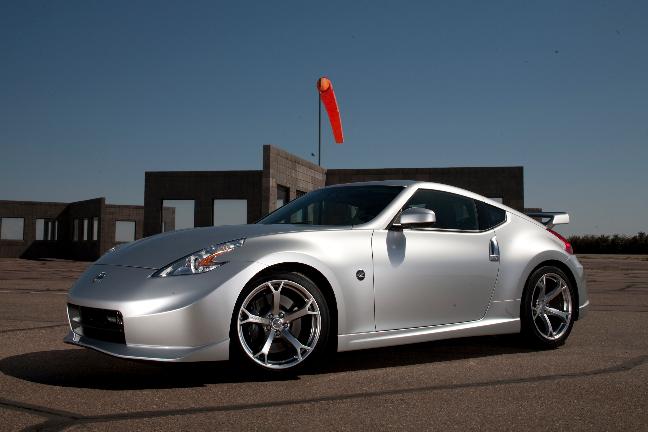
Marks the introduction of the latest Z, the 370z with a larger 3.7L 332-hp engine.
The 2009 Nissan 350z roadster is held over as Nissan did not have a drop-top Z to offer yet in the 370z Z34. Additionally, a Nissan subsidiary partner, Autech Japan built the "NISMO" (Nissan Motorsports) edition with special suspension, seats, body kit, dampeners, structural reinforcements, forged wheels, Nissan Sport brakes and other touches. There were no additional options, it was a completely equipped model.
The NISMO edition sported 350-hp and editions were "numbered" in 'V1' versions of the 370z (Autech) NISMO.
2010
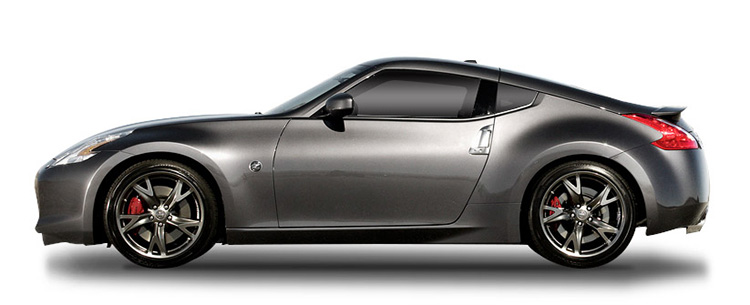
Nissan introduces the 40th Anniversary Edition 370Z. 1000 units were produced.
Featuring unique 40th Anniversary Graphite paint, smoked wheel finish, red brake caliper finish, 40th Anniversary badge on rear deck lid and on engine bay front strut tower brace, specially fitted car cover with 40th Anniversary logo, red leather/synthetic suede seats with debossed 40th Anniversary logo, red door panel inserts, red accent stitching throughout interior, embroidered floor mats with 40th Anniversary logo and 40th Anniversary commemorative plaque between seats. The model also featured Sport (Akebono) Brakes, 19" RAYS forged wheels and SynchroRev Match transmission technology. Each car came with a commemorative plaque and satin car cover.
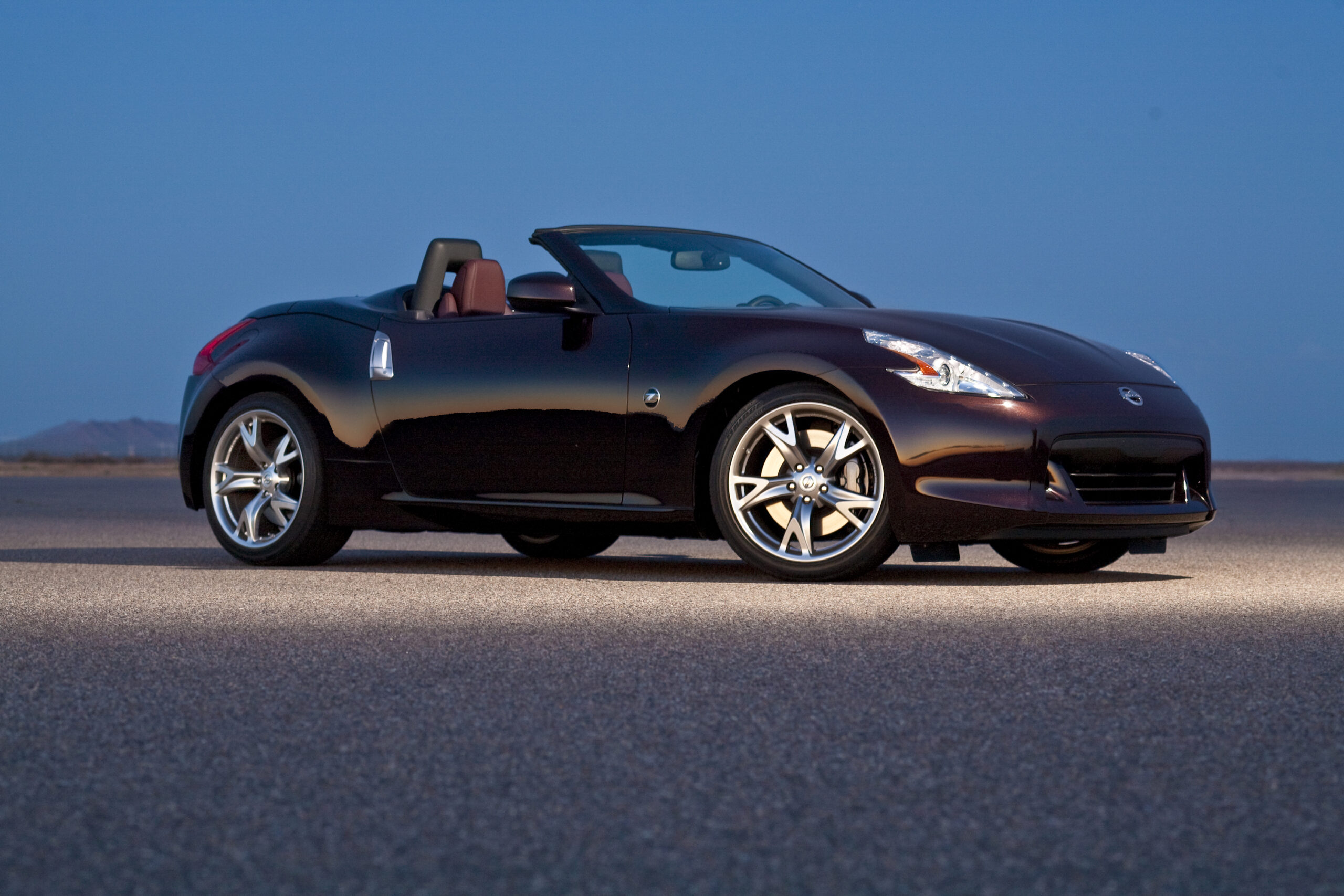
Additionally, the 370z Roadster is also released this year. Equipped with an auto-latching power top and heated/cooled ventilated net seats.
2015
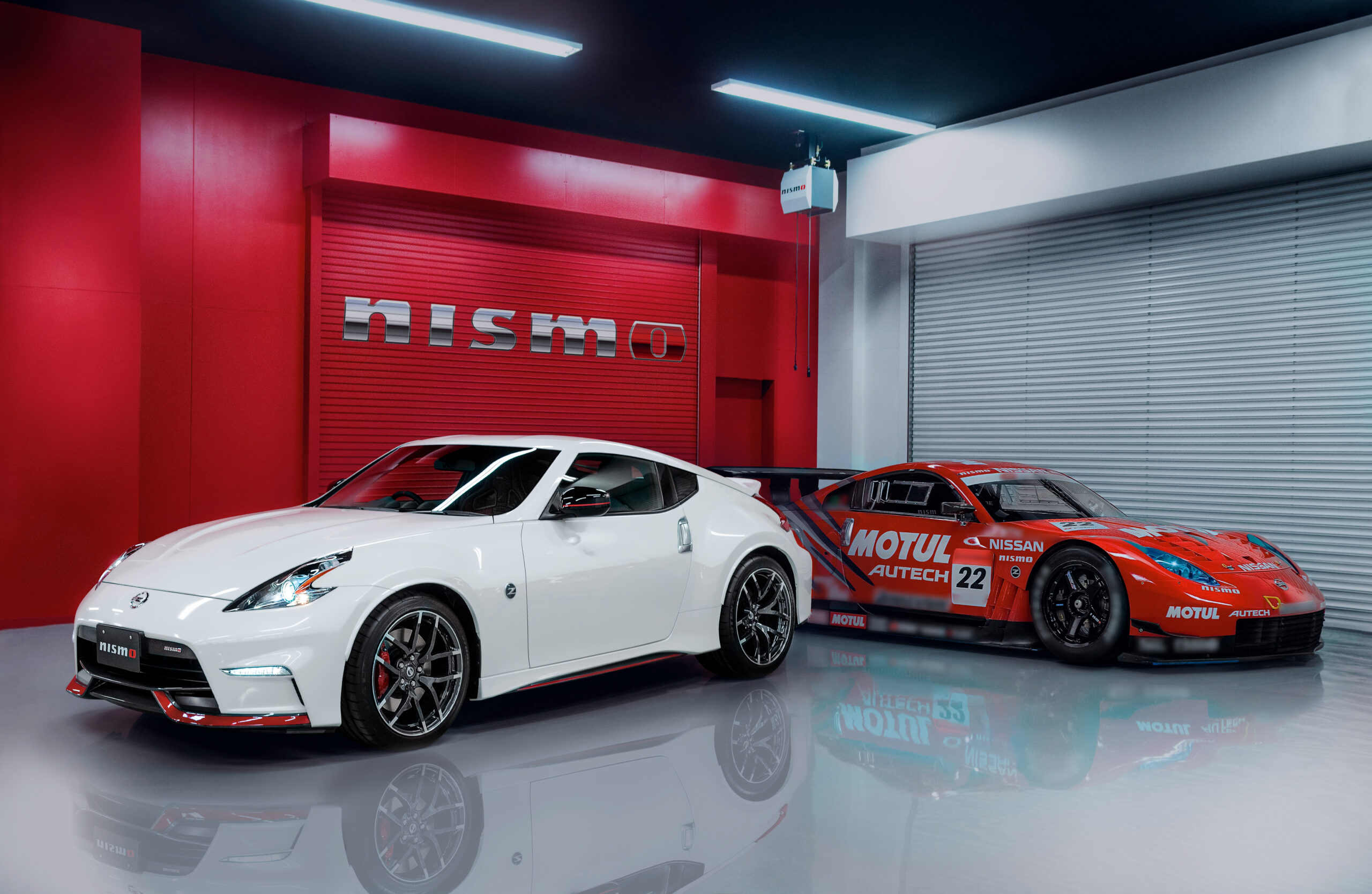
Nissan introduces an aesthetic update to the 370z NISMO model, referred to as the "V2" NISMO.
The updates are primarily cosmetic - new body elements meant to be more "GTR"-like styling. Addition of Recaro-sourced Red/Black seats are added, along with other "red" interior touches. For 2015, the new NISMO version is no longer produced by Autech Japan but completed in house at the Tochigi plant alongside other trims.

2018
Nissan creates the first "Heritage" Edition 370z. As it was debuted the previous year (2017) at the New York International Auto Show (NYIAS), it sports special interior aesthetics and exterior graphics. Heritage Edition models were offered in either Chicane Yellow or Magnetic Black Exterior colors. Interior had yellow trim specific to the edition.
The edition was intended to herald the previous generations heritage while the Nissan Z-car approached it's 50th Anniversary for 2020.


2020
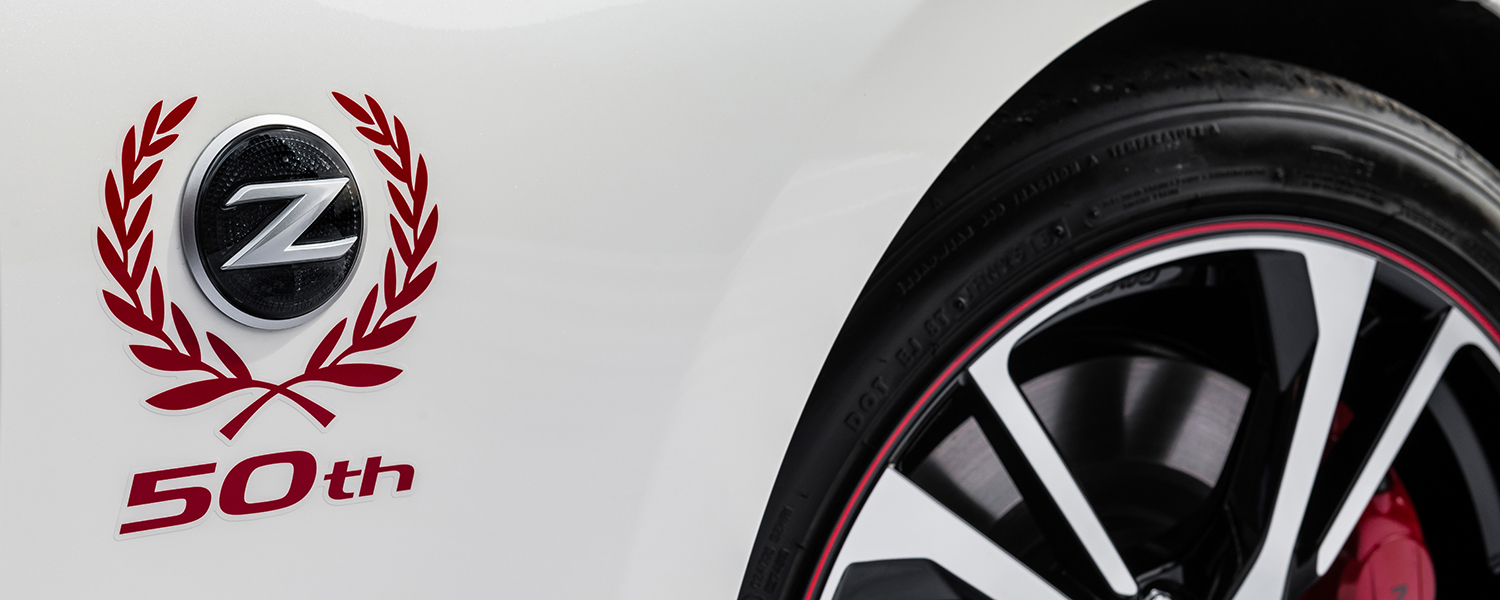
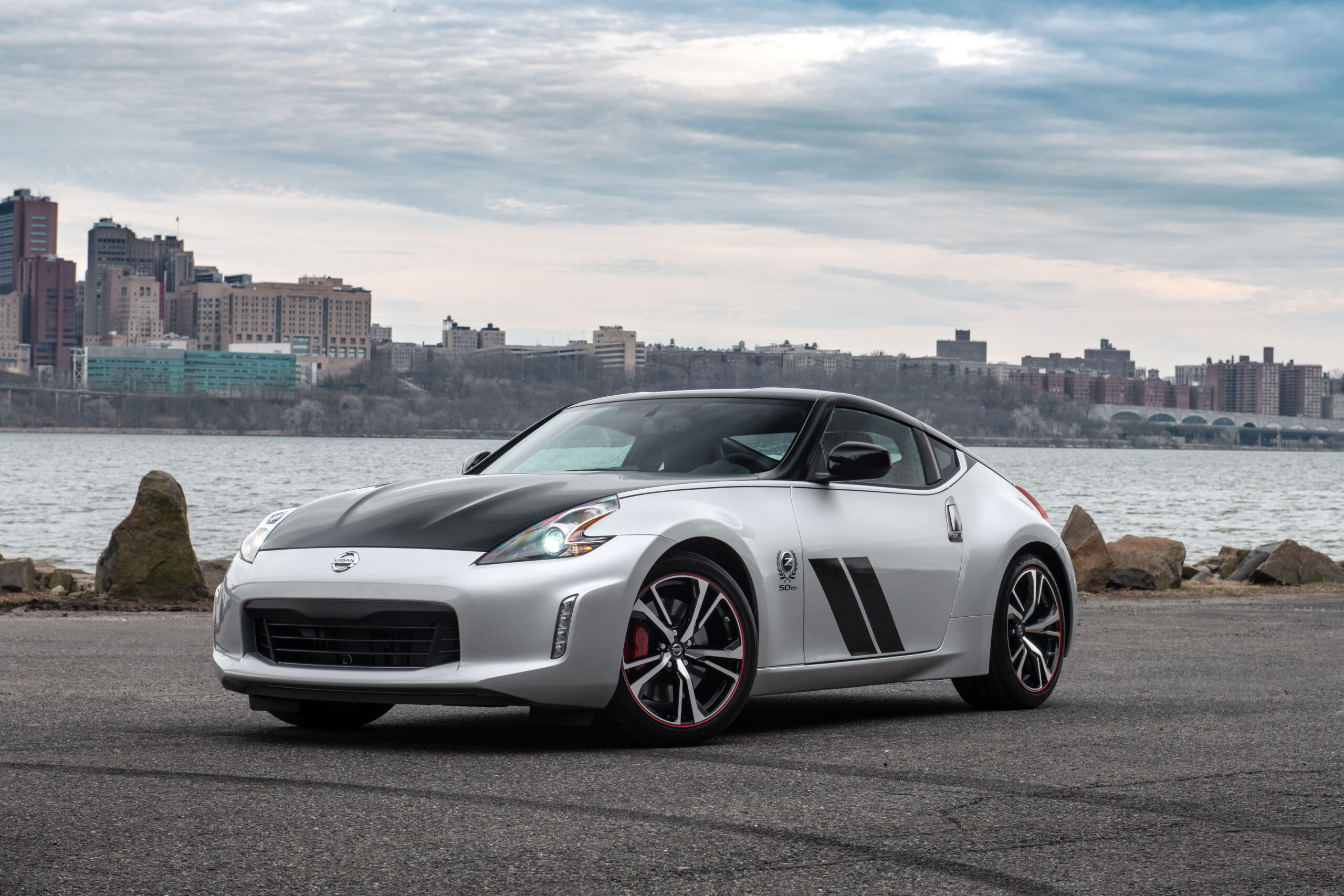
Nissan debuts the 50th Anniversary Edition of the 370z at the NYIAS and holds a spectacular part in NY for the launch with Peter Brock and others (including ZCCA members). Red/white and Silver/white versions were produced. The red/white combination was limited to fifty (50) cars being produced making it one of the rarer Z-editions.
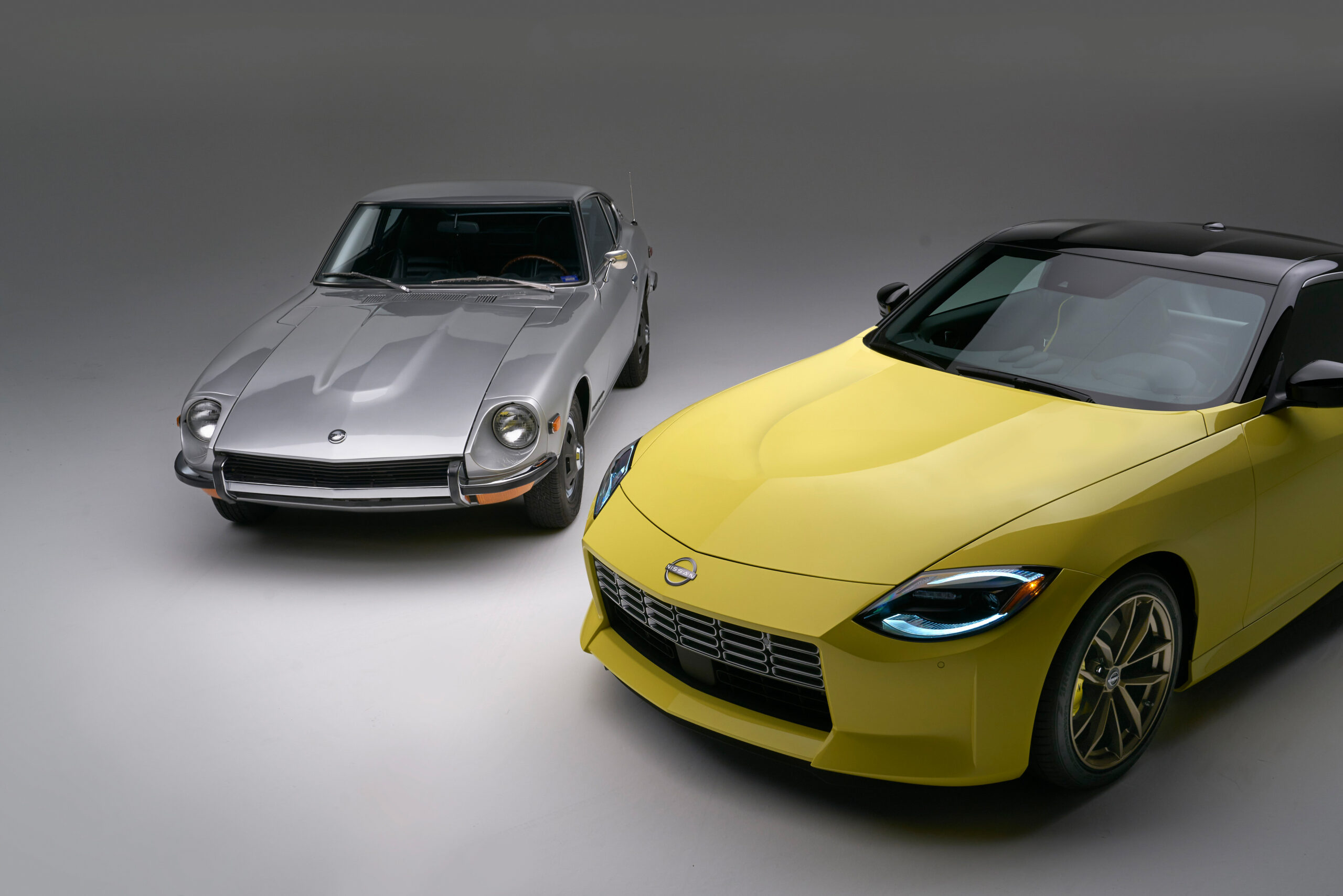
"Z-Proto" was announced during ZCON 2020 in Nashville, TN...the new prototype for the upcoming "Z" model is a combination of enthusiast-inputs (market-research efforts assisted by ZCCA during 2018 event). The Proto was designed by Alfonso Albaisa and team at Nissan and focused creating a new Z that leveraged styling cues of the Datsun 240z and Nissan 300zx (Z32) from the 1990's. Chief Product Specialist, Hiroshi Tamura, became an avid proponent of the car and "Z-ness" - a feeling of connecting with the car for driving pleasure.
- 2020 Nissan 370Z Coupe Quick Facts SEPT 2020 Final
- 2020 Nissan 370Z NISMO – Quick Facts SEPT 2020 Final
- 2020 Nissan 370Z NISMO Specifications
- 2020 Nissan 370Z NISMO celebrates Nissan sports car passion
- 2020 Nissan 370Z Coupe MSRP
- 2020 Nissan 370Z Coupe Specifications
- At a Glance- 2020 Nissan 370Z Coupe
- 2020 Nissan 370Z Coupe- Celebrating 50 years of Nissan sports car passion and excitement

2021
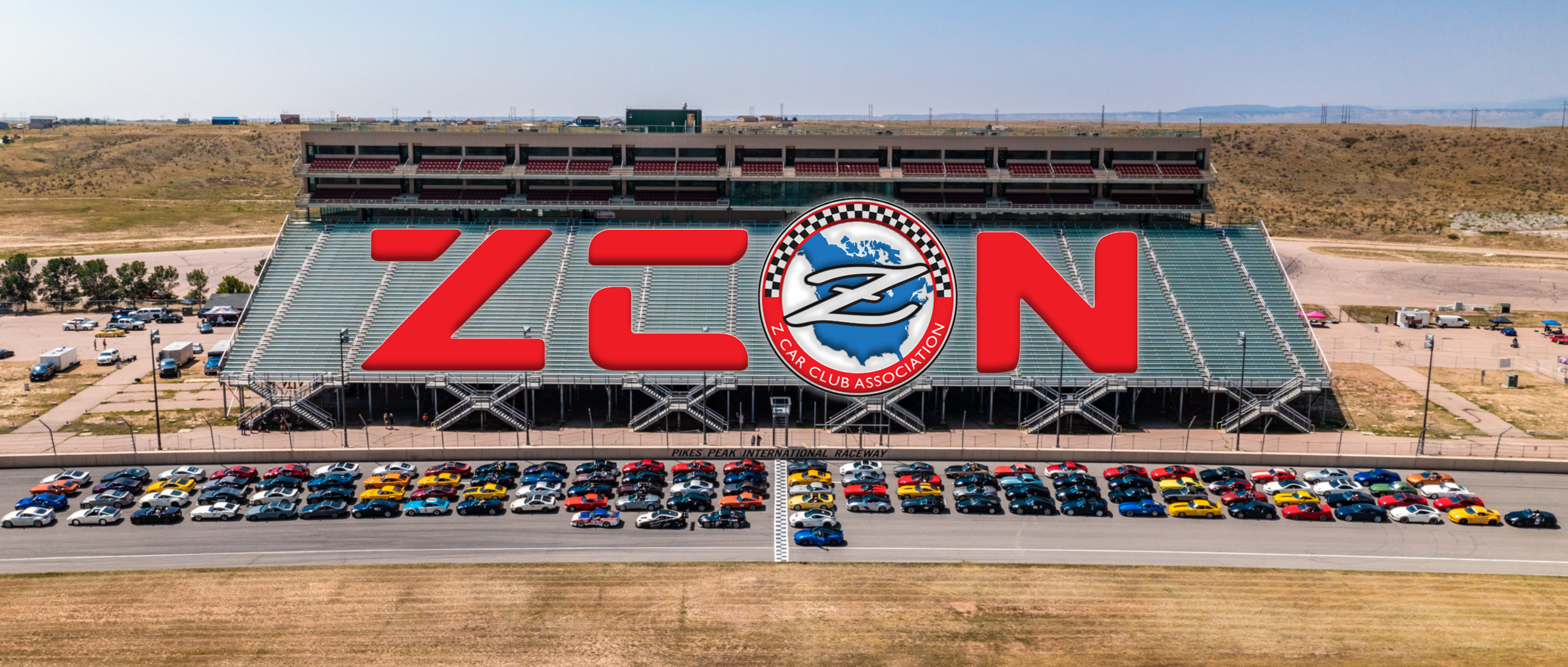
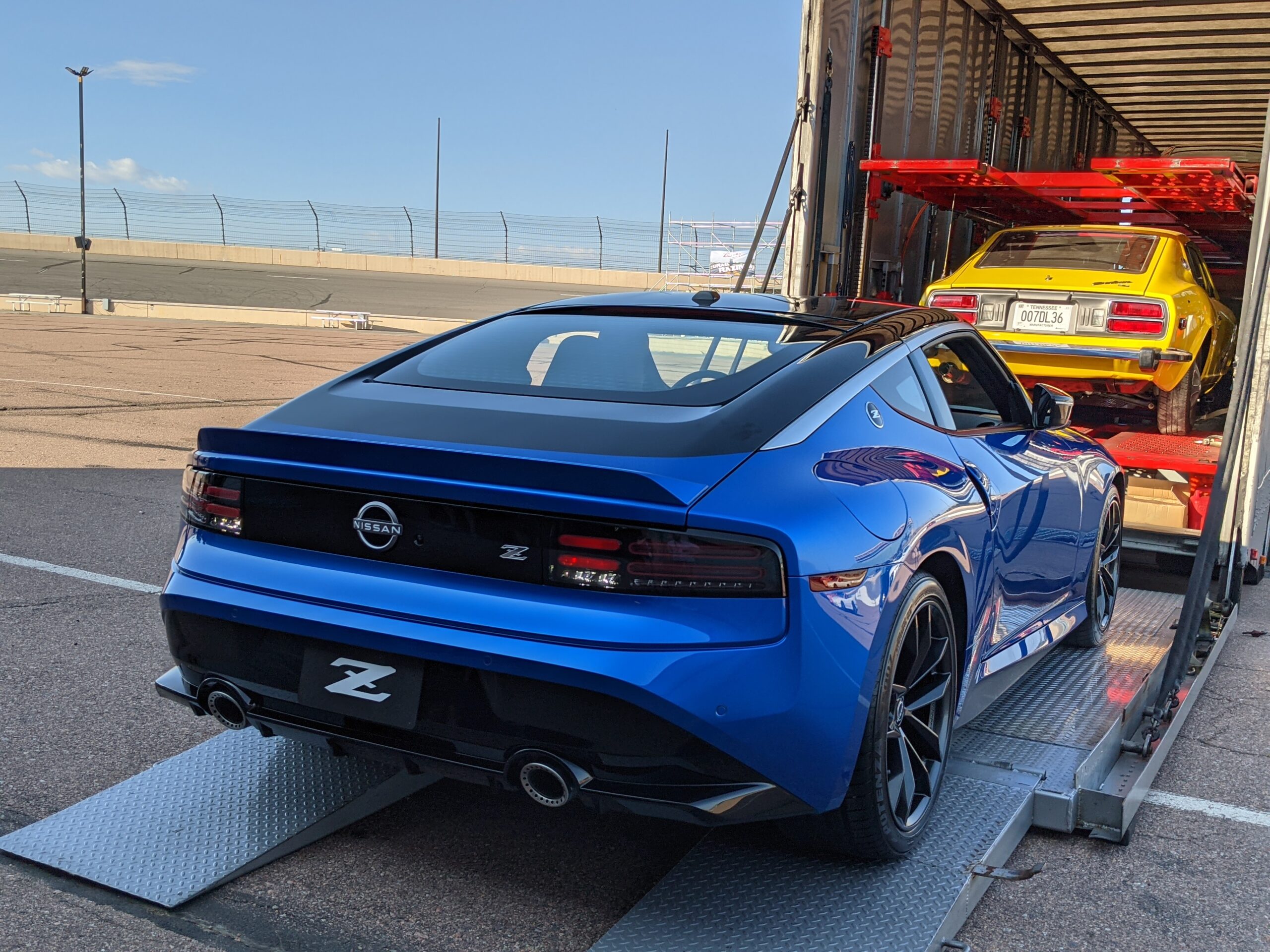
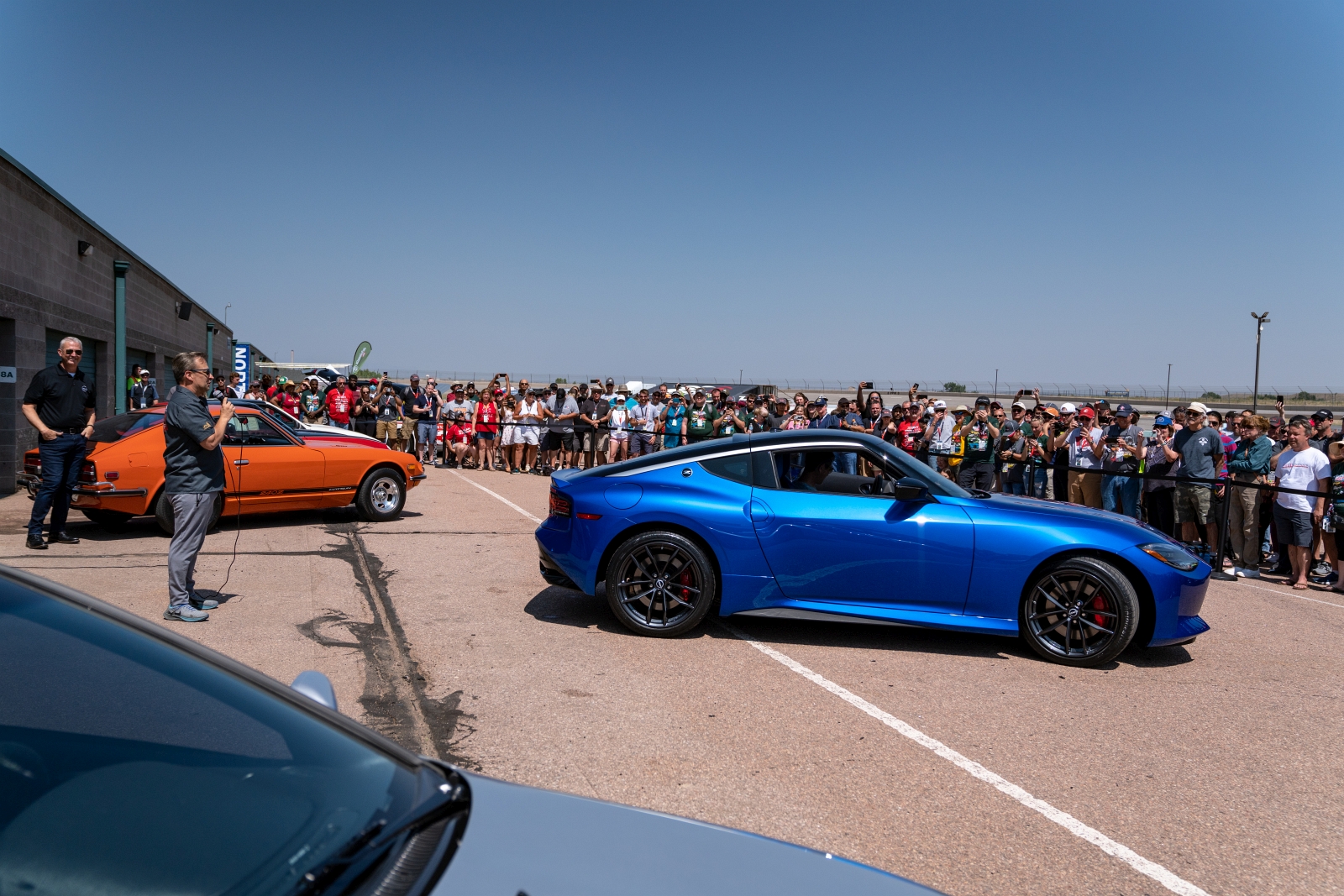
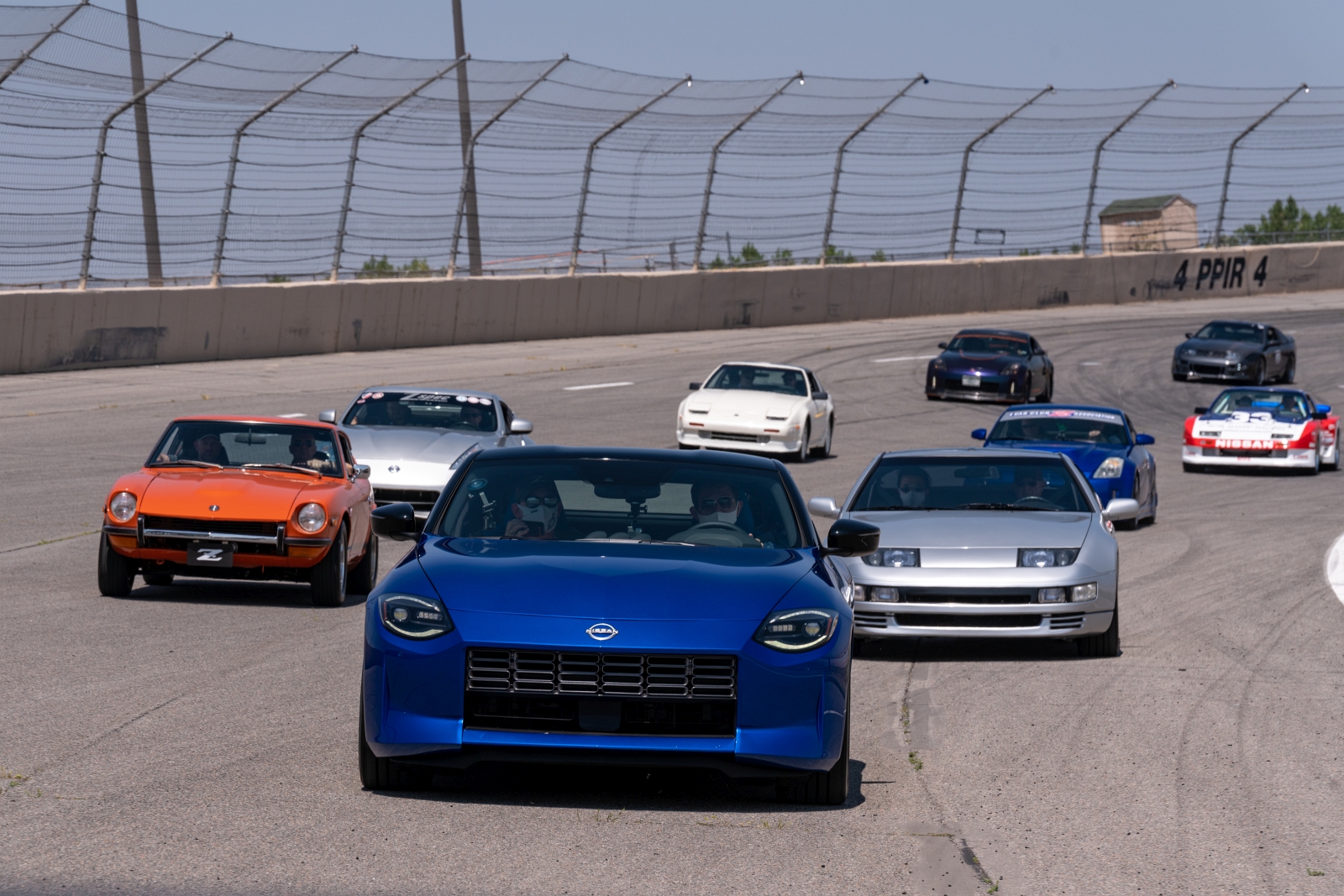
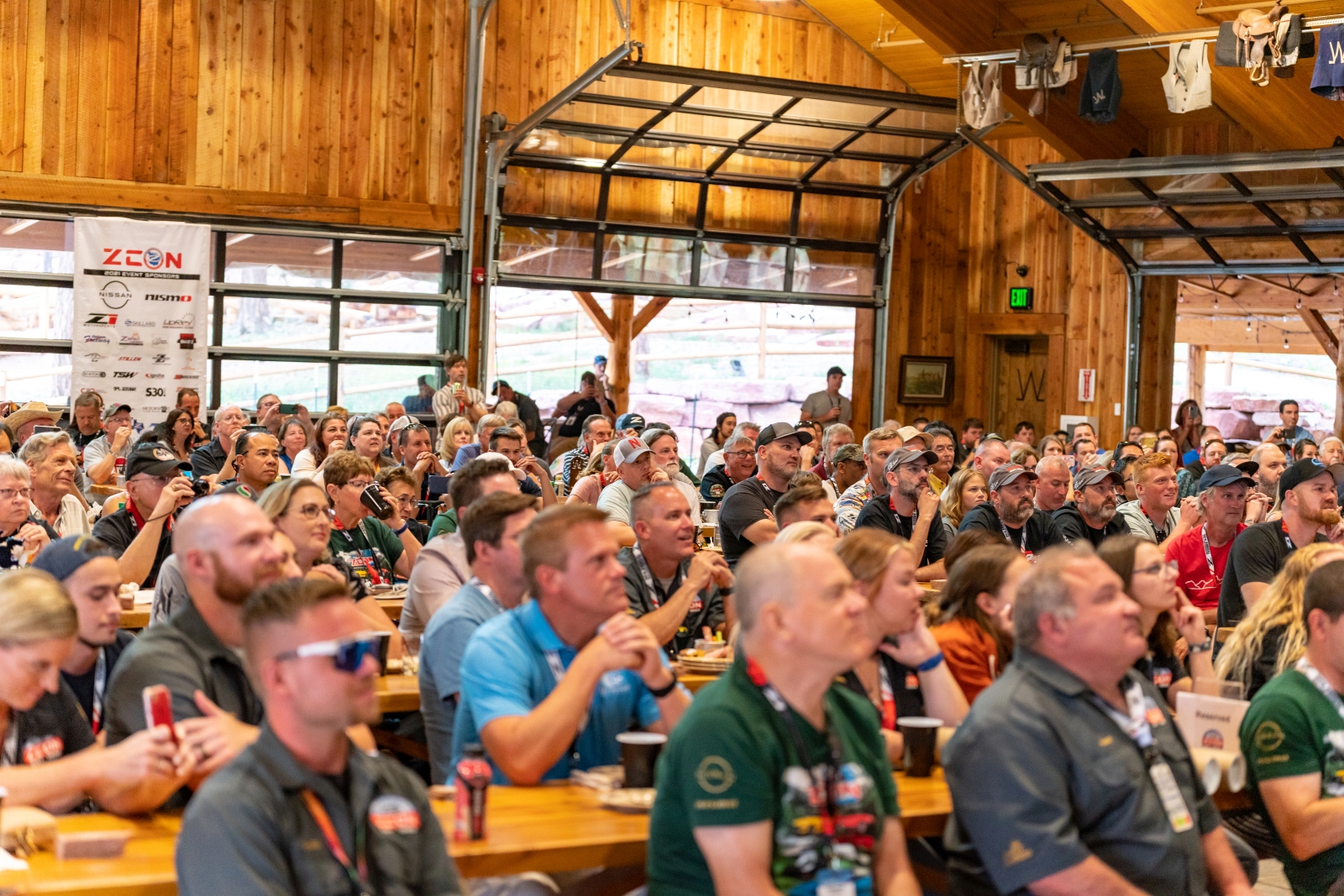
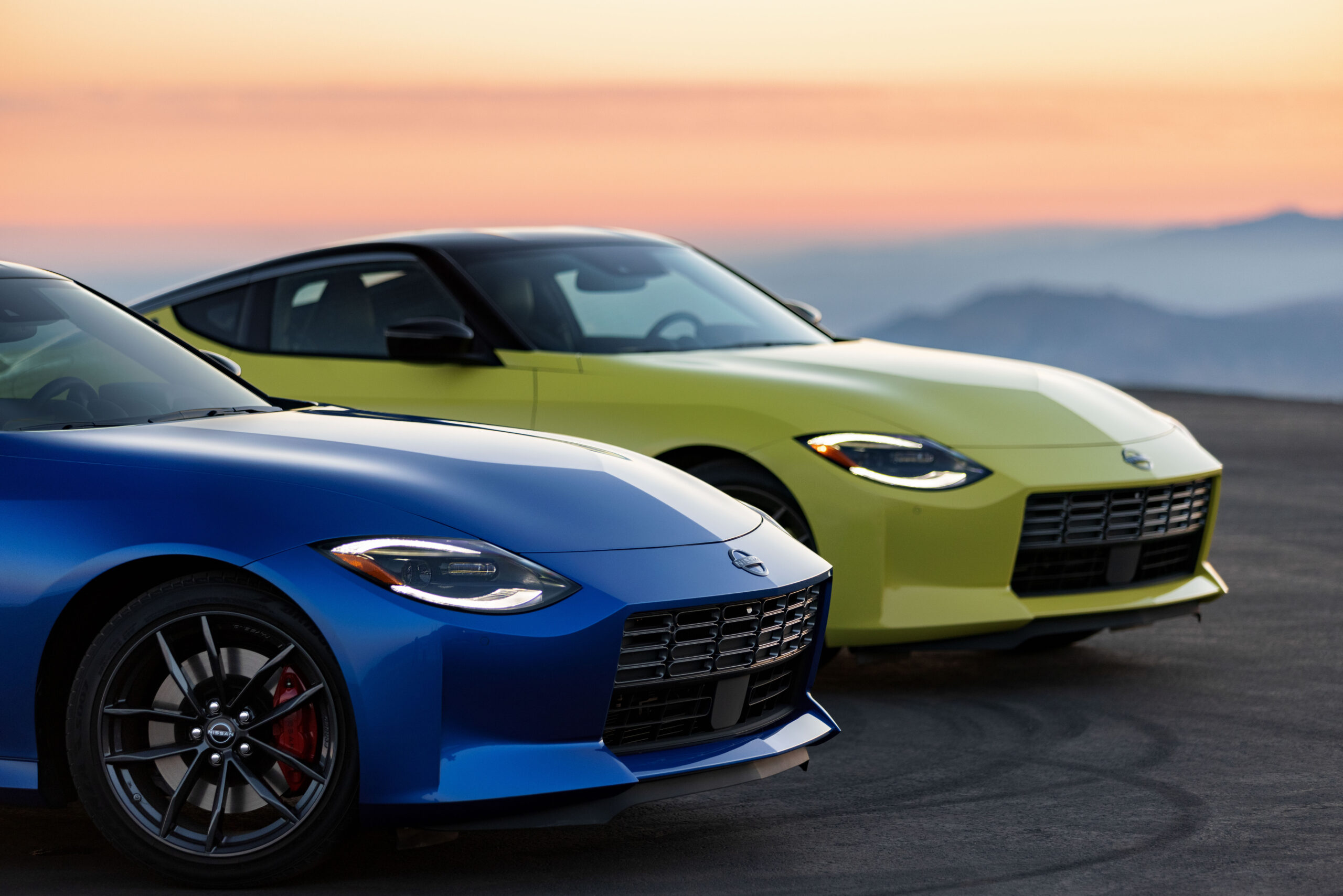
Nissan debuts the New "Nissan Z" (chassis code "RZ34") as a 2023-Model during ZCON 2021 (held in Colorado Springs) by virtual-event from New York.
The new Z is launched with enthusiasts from ZCCA clubs involved to "loan" their car for photo/video use creating a launch video and material used for the advertising strategy.
2023
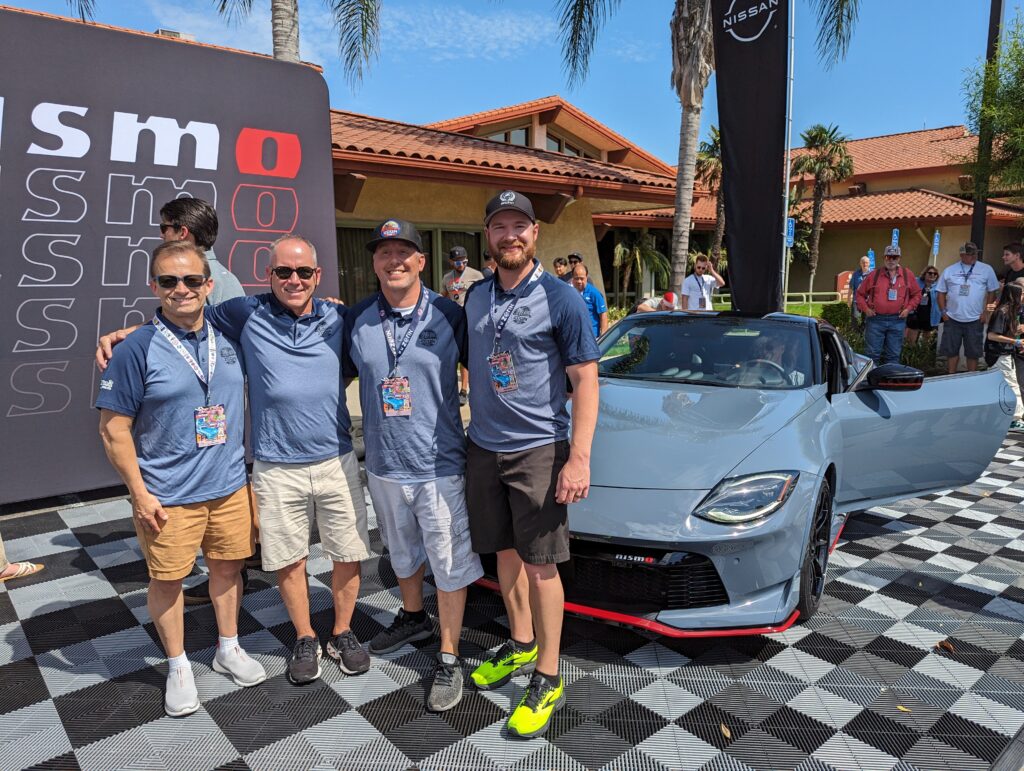
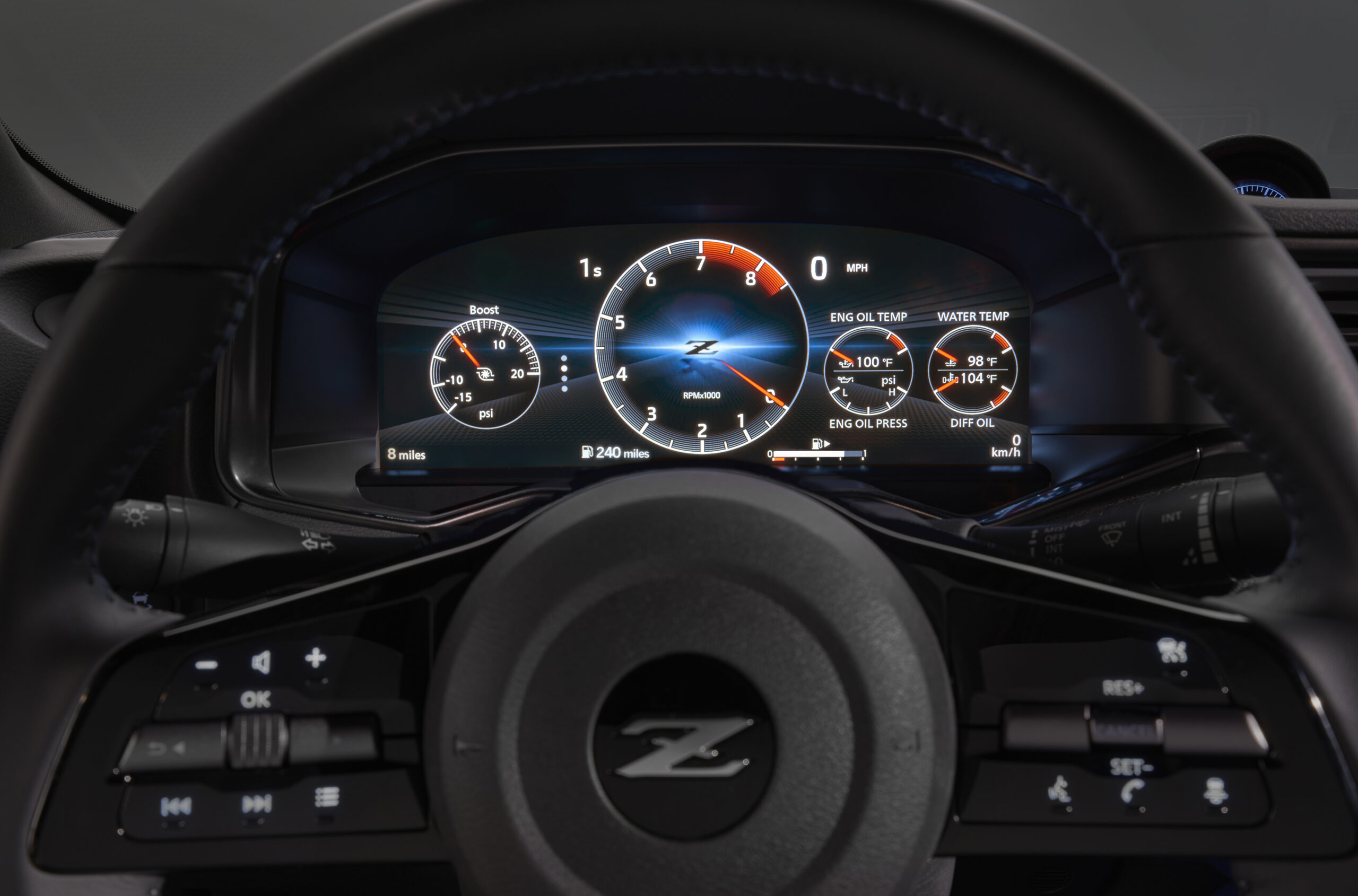
The new Z NISMO as a 2024 model is publicly launched with enthusiasts from ZCCA clubs in Ontario, CA during ZCON-week festivities in a 9-speed auto configuration. The Stealth Gray color was also launched this year. The front of Z NISMO emulates the original "Grand-Nose" (or g-nose) styling from the Fairlady 240ZG. Horsepower is raised to 420 horsepower with 384 lb-ft torque. Recaro seats, special interior touches, exterior body elements, upgraded front braking, stiffer suspension and chassis reinforcements top the list of performance-updates to Z NISMO. The 9-speed transmission gets driven by a new "Sport+" mode which quickens shift and responsiveness.
2024
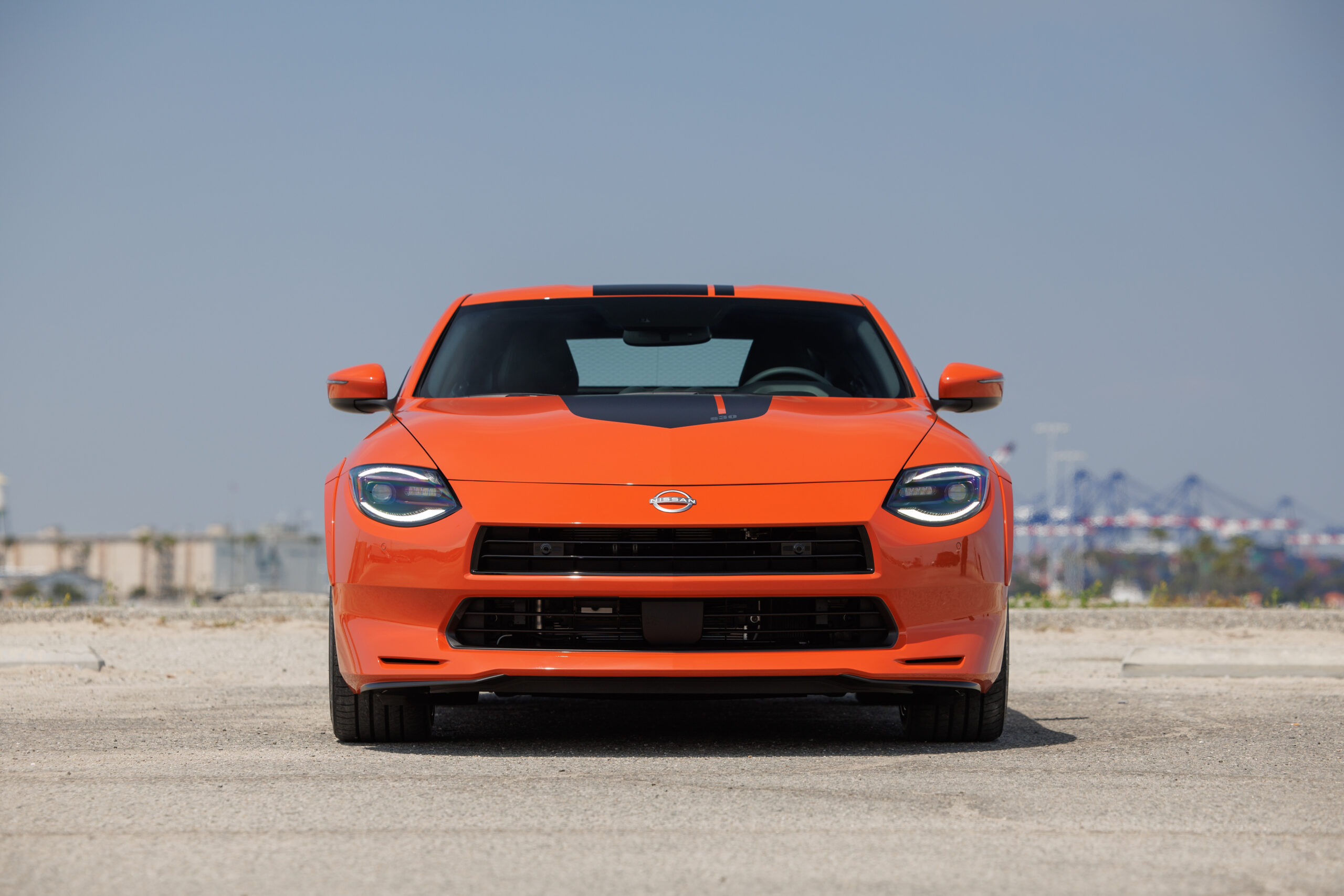
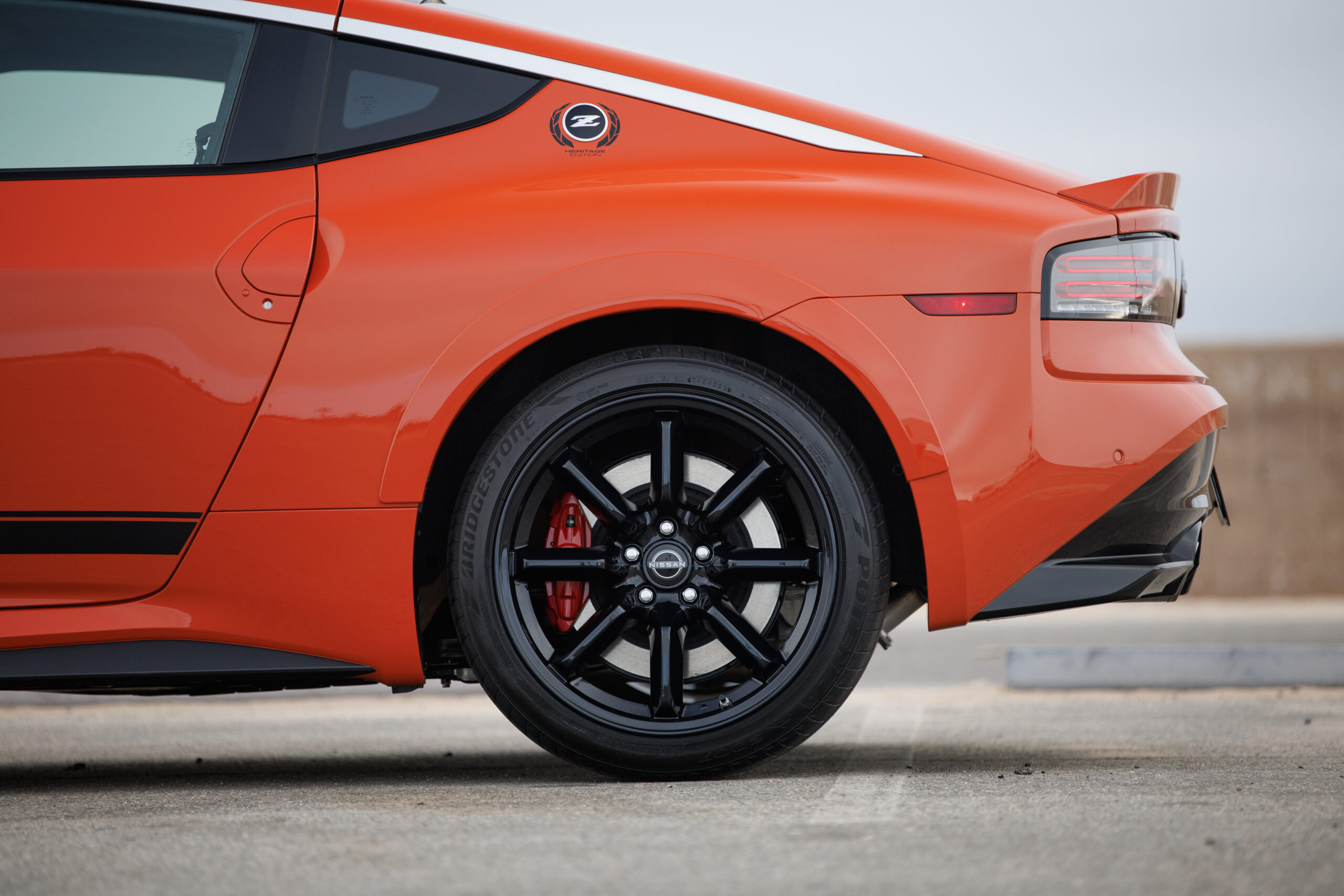
The new Heritage-Edition Nissan Z is publicly launched and displayed at the Tampa, FL-based ZCON event. Featuring throw-back styling cues to the Datsun 432R and 240z in new Sight Orange. Special wheels, fender-arches, front-bumper and graphics accentuate the new model.


2025
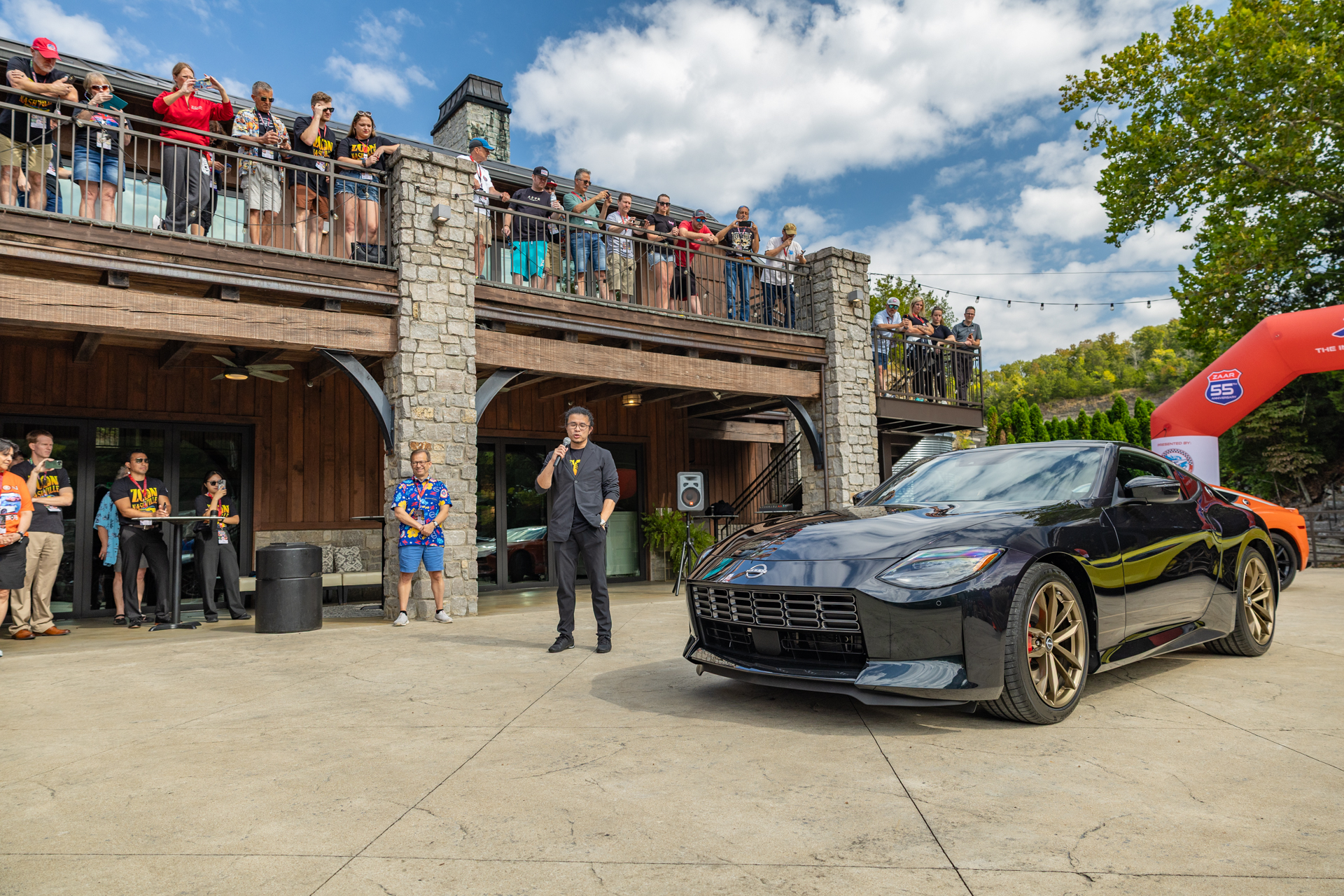
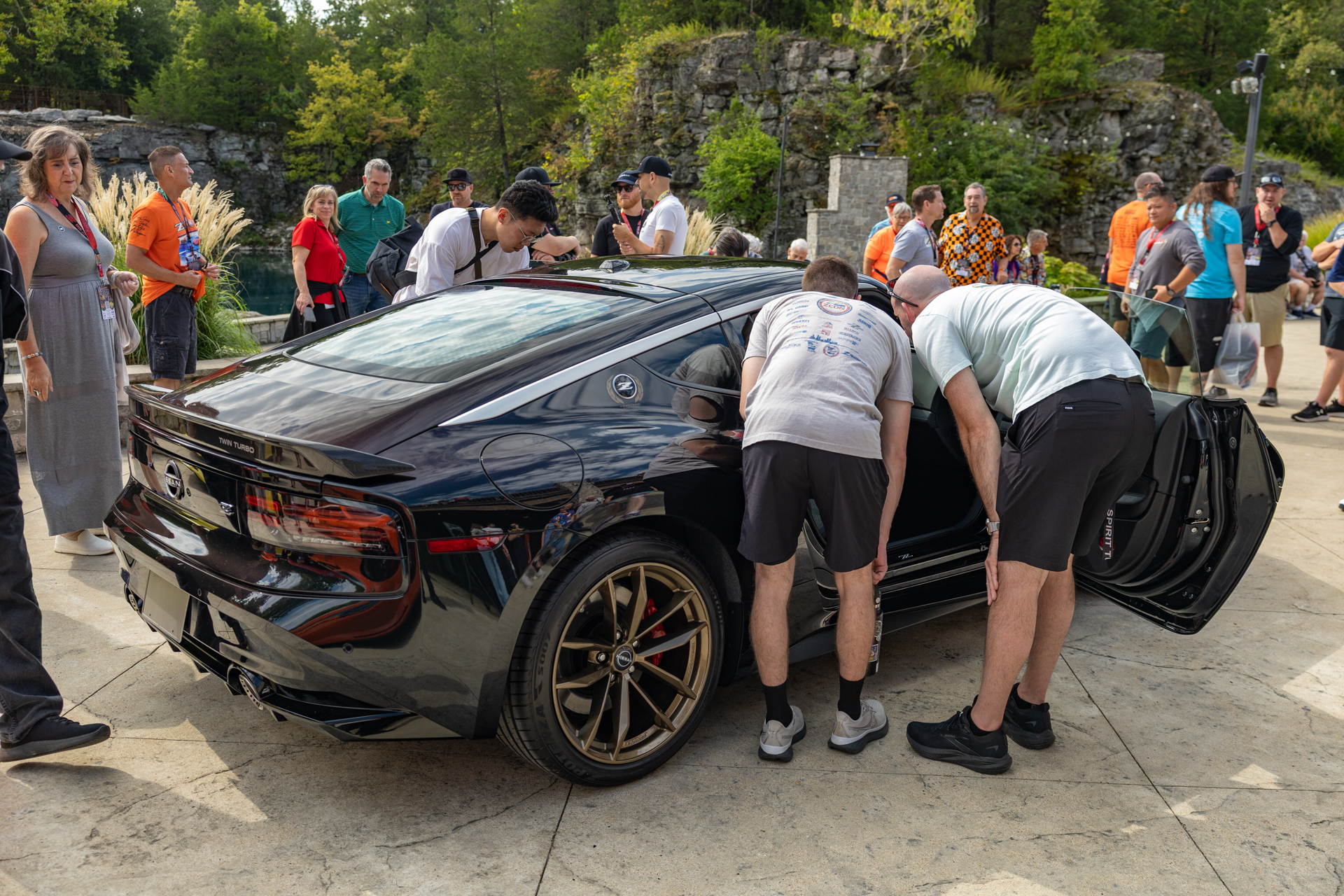
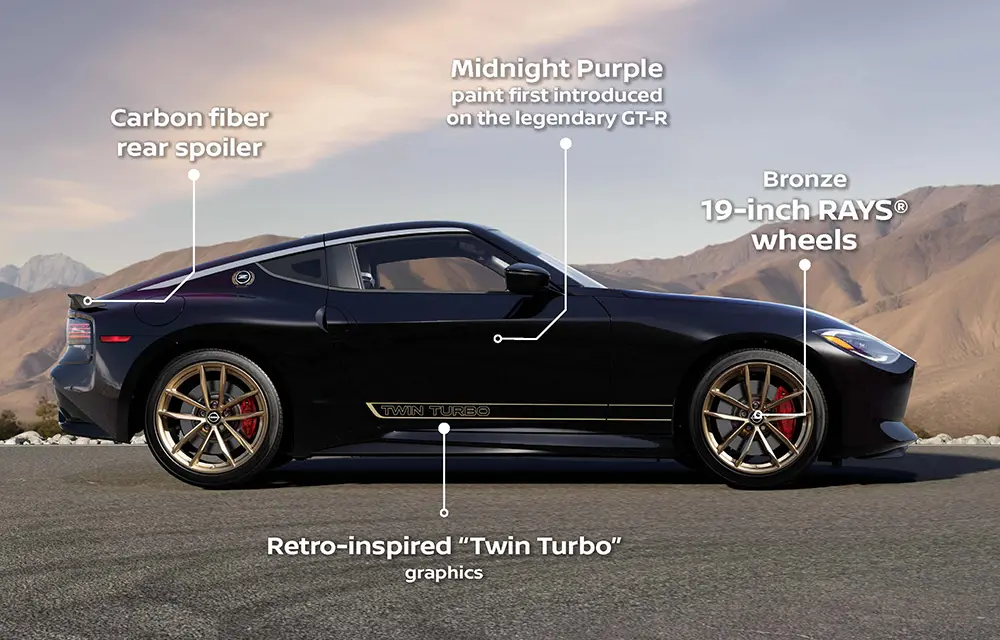
The new model year rang in again with customized Z model as a 2026 model, this one paying homage to the mid-90's muscle-car 300zx Twin Turbo.
This new Heritage-Edition Nissan Z was based on the Performance-trim model, but borrows the Proto Spec bronze wheels and Midnight-Purple exterior color. Additional touches include branded sill-plates, floor-mats, carbon-fiber wing and "Twin Turbo" embedded badge. Sides of the new special-edition include unique graphics as well. The car was unveiled live in Nashville, TN for the ZCCA's "50th Anniversary of the Z".
The location chosen was the Graystone Quarry (same location the Z Proto was previously revealed in 2020). Files below credit to Nissan North America.